Sub floor ventilation is rarely something property owners think about until a problem develops. It sits beneath the floor, out of sight, yet it plays a significant role in managing moisture within many UK homes.
In 2026, as properties become better insulated and more airtight, managing airflow correctly is more important than ever. Sub floor ventilation is not about creating draughts. It is about allowing controlled airflow beneath suspended timber floors to prevent moisture build-up.
As a third-generation family business working across the East Midlands, we regularly assess properties where underfloor airflow has been restricted over time. You can read more about our background and experience on our About Us page.
This guide explains what sub floor ventilation is, why it matters, and how it connects to damp and timber problems.
What Is Sub Floor Ventilation?
Sub floor ventilation refers to airflow beneath a suspended timber floor.
In many older properties, the ground floor is not solid concrete. Instead, timber joists are supported above a shallow void. Air bricks are installed at low level in external walls to allow outside air to pass through this space.
The purpose is straightforward:
- Reduce moisture accumulation
- Allow evaporation of ground moisture
- Protect timber joists and floorboards
- Maintain stable internal conditions
Without adequate airflow, moisture can remain trapped beneath the property. Over time, that can affect both the structure and the internal environment.
Why Sub Floor Ventilation Matters More in 2026
Modern living has changed how buildings perform.
Properties today are often:
- Better insulated
- More airtight
- Less naturally ventilated
While this improves energy efficiency, it can also increase internal humidity levels if ventilation is not properly balanced. In suspended floor properties, restricted sub floor ventilation can compound this issue.
Older buildings were designed to “breathe.” Alterations such as new driveways, raised ground levels, insulation retrofits or extensions can unintentionally block airflow paths that once functioned correctly.
Sub floor ventilation must work as part of a wider moisture management system.
Common Signs of Inadequate Sub Floor Ventilation
Poor sub floor ventilation does not always present obvious symptoms immediately. In many cases, issues develop gradually.
Typical indicators may include:
- Musty smells at ground floor level
- Cold or damp-feeling floors
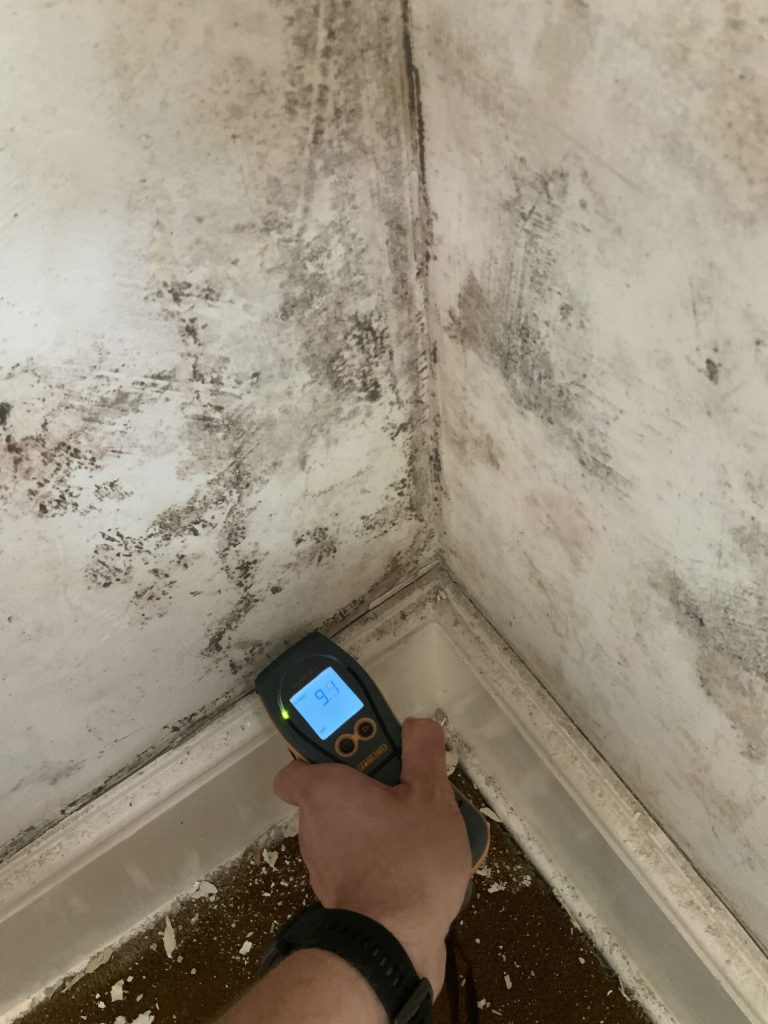
- Mould growth near skirting boards
- Uneven or springy floorboards
- Visible timber deterioration within the void
These signs do not automatically mean major structural failure. They do suggest that moisture levels require investigation.
What Causes Sub Floor Ventilation to Fail?
Sub floor ventilation systems are simple, but they can easily become compromised.
Common causes include:
Blocked Air Bricks
Air bricks can become obstructed by soil, debris, landscaping or internal alterations.
Raised External Ground Levels
Driveways, patios or garden changes can bridge ventilation openings, restricting airflow.
Poor Cross-Ventilation
Effective sub floor ventilation requires air to move across the void, not just enter at one point.
Insulation or Retrofit Works
Improved insulation and draught-proofing measures can unintentionally reduce airflow beneath floors.
Debris Within the Void
Construction waste or accumulated debris beneath suspended floors can restrict air movement.
In many properties, ventilation was adequate when originally built but has been compromised by later modifications.
Sub Floor Ventilation and Damp
It is important to distinguish between rising damp and ventilation-related moisture.
Sub floor ventilation does not prevent rising damp in walls. Rising damp relates to ground moisture travelling through masonry.
However, inadequate underfloor airflow can:
- Increase humidity within ground floor rooms
- Contribute to surface condensation
- Create conditions suitable for mould growth
- Accelerate timber decay
Misdiagnosing ventilation issues as structural damp can lead to unnecessary treatment. Proper assessment ensures the correct cause is identified.
You can read more about our approach to damp diagnosis on our damp surveys page:
https://dowerdampproofing.co.uk/damp-surveys/
Timber Decay and Suspended Floors
Timber joists rely on dry conditions to remain structurally sound.
Where moisture persists beneath a suspended floor:
- Wet rot can develop
- Timber strength may reduce
- Floor movement can increase
In poorly ventilated and enclosed voids, dry rot can also develop, particularly where airflow is severely restricted.
Decay develops over time when moisture conditions allow it. Early identification reduces the likelihood of extensive repair.
More information about our wider damp proofing and timber services can be found here:
https://dowerdampproofing.co.uk/damp-proofing/
How Sub Floor Ventilation Can Be Improved
Improving sub floor ventilation depends on identifying the specific restriction.
Possible measures may include:
- Clearing blocked air bricks
- Lowering external ground levels
- Installing additional ventilation points where appropriate
- Ensuring cross-flow between opposite walls
- Removing debris from beneath suspended floors
Increasing airflow indiscriminately is not always the solution. Excessive draughts can create cold floors without resolving underlying moisture sources.
The aim is controlled, balanced ventilation suited to the property.
When Should You Arrange a Professional Assessment?
If you notice persistent damp smells, timber movement or unexplained mould at low level, a professional assessment is advisable.
A comprehensive survey will consider:
- Sub floor ventilation condition
- Timber integrity
- Wall construction
- Ground moisture levels
- Internal humidity
Clear findings allow proportionate action. Not every property requires invasive intervention. In some cases, simple adjustments restore adequate airflow.
If you would like to discuss concerns about sub floor ventilation, you can contact us here:
https://dowerdampproofing.co.uk/contact/
Frequently Asked Questions
Is sub floor ventilation required in all properties?
It is essential in properties with suspended timber floors. Solid concrete floors do not rely on underfloor airflow in the same way.
Can blocked air bricks cause damp problems?
They can contribute to increased moisture beneath suspended floors, which may affect timber and internal humidity.
Does improving sub floor ventilation fix rising damp?
No. Rising damp relates to wall moisture movement. Sub floor ventilation addresses airflow beneath timber floors.
How do I know if I have a suspended floor?
Many older properties use timber floors at ground level. A professional survey can confirm the construction type.
Conclusion
Sub floor ventilation is a simple system, but its impact on property condition is significant. As homes continue to evolve in 2026, balancing insulation with appropriate airflow is essential.
If airflow beneath a suspended floor is restricted, moisture can accumulate gradually. Addressing the issue early helps protect timber, improve internal conditions and avoid unnecessary intervention.
Understanding the cause is always the first step.