Unit 1 & 2, Grantham, NG31 9ST

Keeping water out of basements and below-ground spaces is one of the trickiest jobs in building remediation. We've been doing it since 1972, diagnosing the cause first, then specifying the right waterproofing system for your property.
Tell us what's happening and we'll get back to you quickly with honest advice and a no-obligation quote. Prefer to talk? Call 01780 410378.
Too many basement waterproofing jobs go wrong because someone skipped the diagnosis. A coat of tanking slurry gets brushed onto a wall, the room looks dry for six months, and then the damp comes back worse than before. We see it all the time.
At Dower Damp Proofing, we take a different approach. Before we touch a trowel, our surveyor carries out a thorough below-ground assessment, looking at ground water levels, the construction of your basement walls and floor, external drainage conditions, and how moisture is actually reaching the internal space. Only once we understand the full picture do we put forward a waterproofing specification.
That might mean a cementitious tanking system. It might mean a cavity drain membrane. Sometimes it's a combination of both, with a sump and pump arrangement. The point is, the solution follows the diagnosis, not the other way round.
The East Midlands has a real mix of property types - Georgian townhouses in Stamford with deep stone cellars, Victorian terraces in Lincoln with brick-lined basements, post-war builds in Grantham with concrete sub-floors, and converted barns and country houses dotted across the villages in between. Each one handles ground water differently, and each one fails in its own way.
Older properties were rarely designed with waterproofing in mind. The original builders relied on thick masonry walls and natural drainage, which worked well enough at the time. But over the decades, changes in ground conditions, higher water tables, blocked land drains, and modern impermeable renders have upset that balance. Water finds its way in - through walls, through floors, through construction joints - and once it starts, it rarely stops on its own.
Newer properties are not immune either. Poor detailing around below-ground walls, failed tanking on new-build basements, and inadequate drainage systems all contribute to water problems. Whatever the age of your property, the starting point is always the same: find out where the water is coming from and why.
Every project follows the same principle: diagnose first, specify second, install third. Here's what that looks like in practice.
Our surveyor visits your property to assess the basement construction, ground conditions, moisture readings, and the source and path of water ingress. No assumptions, just evidence.
You receive a detailed technical report with photographs, a clear diagnosis, and a fully itemised remedial specification. You'll know exactly what's needed, how much it costs, and why we've recommended it.
Our trained operatives carry out the waterproofing works to the specification. We use manufacturer-approved systems and follow British Standards throughout. No shortcuts, no substitutions.
Once completed, your installation is covered by our comprehensive 20-year guarantee. We also provide maintenance guidance for any pump or drainage systems to keep everything running smoothly.

Most residential basement waterproofing projects take between 3 and 10 working days, depending on the size of the space and the system being installed. We'll give you a clear timeline during the survey stage so there are no surprises.
Costs vary depending on the size of the basement, the severity of water ingress, and which waterproofing system is most appropriate. We provide fully itemised quotations after a diagnostic survey so you know exactly what you're paying for and why. We don't believe in hidden costs or vague estimates.
Tanking uses a waterproof coating applied directly to walls and floors to create a barrier against moisture. Cavity drain membrane systems create an air gap that channels any water ingress to a managed drainage point. The right choice depends on your property's construction, the source of water ingress, and how you intend to use the space. We assess all of this during the survey. It's never a one-size-fits-all answer.
We cover this fully on our basement conversions page.
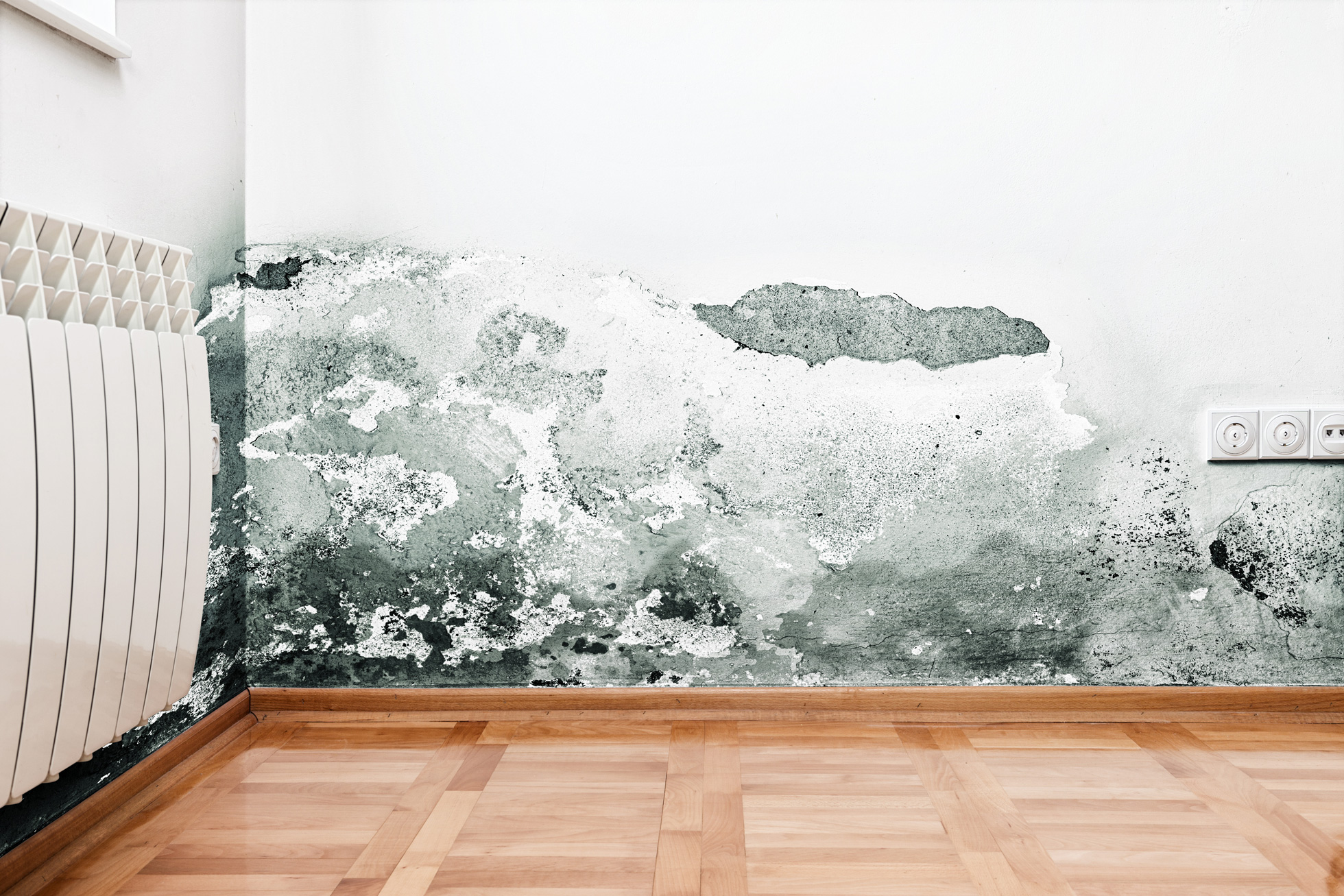
Damp or wet patches on basement walls, standing water on the floor, white salt deposits (efflorescence), a persistent musty smell, peeling paint or plaster, and visible mould growth are all signs that water is getting in. If you're noticing any of these, it's worth having a proper survey done sooner rather than later. These issues tend to get worse, not better.
Tanking is a way of waterproofing walls below ground or in damp-prone areas like cellars and basements by applying a continuous waterproof barrier, usually a cementitious slurry or membrane, to the inside surfaces to hold back water and moisture. It is one of the recognised approaches under BS 8102, the British Standard for protecting buildings against water from the ground.
Basement tanking seals the inside of the walls and floor with a waterproof barrier so water cannot get through into the room. It suits some cellars very well, but where there is a lot of water a cavity drainage (Type C) system that manages water to a pump is often the better choice. Both are valid under BS 8102, and we decide which fits your structure at survey.
The cost of tanking or waterproofing a cellar depends heavily on its size, condition and the system used, so it ranges from a few thousand pounds upwards. Basement waterproofing has to be designed around the specific structure, so a site survey is essential before we can specify the right system and give you an accurate price.
Stopping water getting into a cellar usually means a waterproofing system designed for the structure, either tanking that seals the walls or a cavity drainage membrane that manages the water to a sump and pump. The right choice depends on how much water there is and how you want to use the space, which we assess at survey.
Book a diagnostic survey and we'll give you a clear, honest picture of what's happening below ground, along with a proper specification to fix it. No pressure, no obligation, just straight answers from people who've been doing this for over 50 years.

Select the concern that best describes your situation.
This helps us prepare for your survey.
We'll use these to arrange your survey and nothing else.
We've received your booking request and will be in touch within 24 hours to confirm your survey.
Or call us now: 01780 410378