Unit 1 & 2, Grantham, NG31 9ST
Expert diagnosis and full eradication of dry rot and wet rot in residential and commercial properties across Lincolnshire and the East Midlands.
Tell us what's happening and we'll get back to you quickly with honest advice and a no-obligation quote. Prefer to talk? Call 01780 410378.
Fungal decay in timber is one of the most serious problems a property can face, and the two most common forms - dry rot and wet rot - require quite different approaches to eradication. Confusing them, or misidentifying the source of moisture that is allowing them to thrive, leads to incomplete treatment and rapid recurrence.
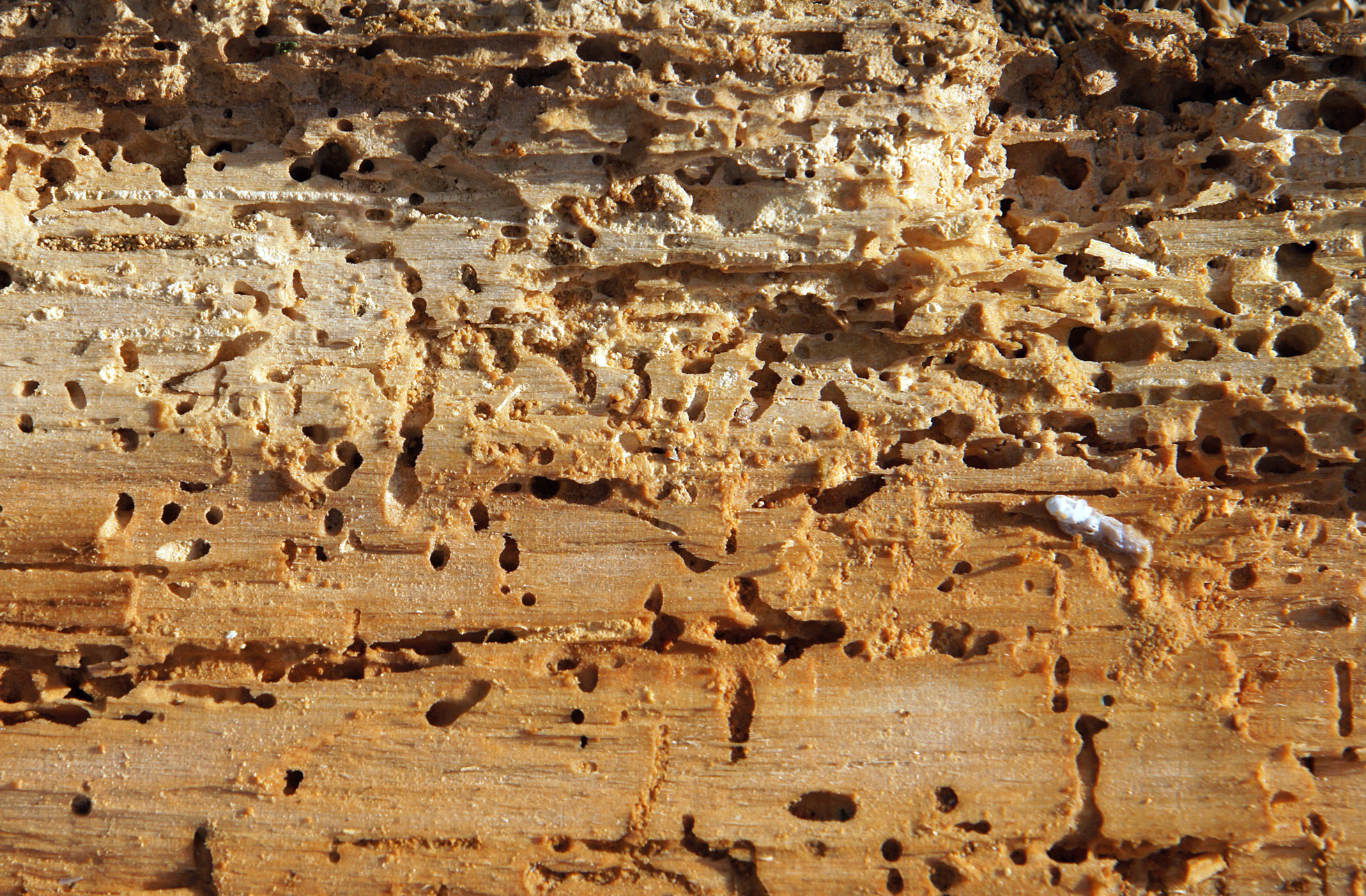
Dry rot (Serpula lacrymans) is the more aggressive and structurally dangerous of the two. It can spread through masonry and inert materials to attack sound timber elsewhere in the building, far from the original damp source. It produces characteristic cube-shaped cracking of timber, a white or grey cottony mycelium on surfaces, and an orange-brown fruiting body that releases millions of spores. Even brief exposure to suitable conditions is enough for it to establish. Dry rot does not need a persistently wet environment to spread once it is established - which is what makes it so destructive.
Wet rot refers to a range of fungal species that require consistently high moisture content in timber to survive. The most common is Coniophora puteana (cellar fungus). Wet rot softens and darkens the timber, causes cracking along and across the grain, and tends to be localised to the area of dampness rather than spreading through the building fabric. If the source of moisture is removed, wet rot will arrest itself - though the damaged timber must still be assessed and replaced where structurally necessary.
In both cases, a thorough diagnosis is the essential first step. Correctly identifying the fungus, locating every affected area, and - critically - finding and resolving the moisture source are all prerequisites for a treatment that will last.
The following signs may indicate fungal decay in your property. If you notice any of them, prompt action is important - fungal decay can spread rapidly once established, particularly dry rot.
Effective fungal eradication is not just about treating the visible damage. Our process addresses the full extent of the outbreak and eliminates the conditions that allowed it to develop.
Our surveyor carries out a thorough inspection of all affected areas and the surrounding structure. We use moisture meters, borescope inspection, and visual assessment to map the full extent of the outbreak and identify every possible moisture source - whether that is a plumbing leak, defective guttering, failed damp-proof course, or bridged cavity. You receive a written report with photographs and a detailed specification before any works commence.
All infected and at-risk masonry is treated with a high-performance fungicide solution, applied by brush, spray, and injection into drill holes in the masonry. For dry rot, the treatment zone extends at least one metre beyond the visible outbreak in all directions to ensure no residual mycelium survives. All materials used are approved for use in occupied buildings and are applied by trained operatives.
All infected timber must be cut out and removed from the building - not simply treated in-situ. For dry rot, this means removing all timber within the treatment zone, not just the visually decayed sections, as mycelium can penetrate apparently sound wood. Replacement timbers are pre-treated with preservative and installed to the correct specification. Where load-bearing elements are involved, structural assessment is carried out before and after the works.
No fungal treatment will endure if the moisture that caused the outbreak is not resolved. As part of every project, we identify and specify remediation for the damp source - whether that means damp-proofing works, drainage improvements, roof or guttering repairs, or ventilation improvements. We provide guidance on maintaining conditions that prevent recurrence, and all works are covered by our 20-year guarantee.

Dry rot (Serpula lacrymans) is a fungal decay that can spread through masonry as well as timber, making it considerably more destructive than wet rot. It produces distinctive cube-shaped cracking and a grey mycelium growth. Wet rot is caused by several different fungi that require consistently wet timber to develop and generally remains confined to the damp zone. Both require prompt treatment but dry rot demands a more extensive eradication programme.
Dry rot typically produces a mushroom-like smell, grey or white fluffy mycelium, an orange-red fruiting body, and cuboid cracking of the timber. Wet rot tends to darken the timber, makes it soft and spongy, and cracking tends to follow the grain. Only a professional survey using moisture meters and visual inspection can give you a reliable diagnosis - and getting it right matters, because the treatments are quite different.
Yes. Dry rot mycelium can penetrate plaster and masonry to reach and infect sound timber elsewhere in the building. This is what makes it particularly dangerous - the visible damage may be only a fraction of the total affected area. Eradication must include treatment of the surrounding masonry and removal of all infected timber, not just the parts that look damaged.
If the treatment is carried out properly - with full removal of infected timber, comprehensive fungicide application, and resolution of the moisture source - dry rot should not recur. The most common cause of recurrence is incomplete treatment, either because the extent of the outbreak was underestimated or because the underlying damp was not resolved. Our thorough survey and specification process is designed to prevent both.
Dry rot usually shows as timber that has gone dry, brittle and cracked into brick-shaped cubes, often with a fine reddish-brown dust from the spores nearby. In more advanced cases you may see cotton-wool-like white growth or a leathery, mushroom-shaped fruiting body. It thrives in damp, poorly ventilated spots like cellars and floor voids, so it is worth having any suspect timber inspected.
Wet rot tends to show as timber that is soft, spongy and darker than usual, sometimes with cracking along the grain, and it often stays confined to the damp area. When it dries out the wood can crumble and shrink. Because it looks similar to early dry rot, it is worth getting it identified correctly, as the two are treated differently.
Dry rot has a distinctive damp, earthy, mushroomy smell, and that musty odour is often the first clue before you can see any decay. If you keep noticing a fungal smell around floors, cellars or skirting boards, it is worth getting the timber inspected so it can be caught early.
The main signs of dry rot are a damp, mushroomy smell, timber that has cracked into cube-like pieces, reddish-brown spore dust, and sometimes white or grey fungal growth. Skirting boards, floors and cellar timbers are common places to find it. Because dry rot can spread through masonry to reach other timber, it is best assessed and treated as soon as you suspect it.
In UK homes there are two main types of wood rot: dry rot and wet rot. Wet rot is the more common and stays in the damp area, breaking timber down where the moisture is. Dry rot is less common but more serious, because it can spread through brickwork to reach dry timber elsewhere. Both are caused by fungi feeding on damp wood, so fixing the moisture is always part of the cure.
Treating wood rot means finding and stopping the moisture, cutting out and replacing any timber that has lost its strength, and treating the sound timber around it with a preservative. With dry rot we also treat the surrounding masonry, because it can spread through walls. Getting the area dry and well ventilated is essential so it does not come back, and we guarantee the work.
A rotting timber floor is almost always down to trapped moisture, often from a plumbing leak, blocked underfloor vents or damp coming up from the ground. The fix is to stop the moisture, improve the underfloor ventilation, and cut out and replace any joists or boards that have decayed, treating the sound timber alongside. We survey first to find the source before any repairs.
Fungal decay does not resolve itself and gets significantly worse the longer it is left. Book a diagnostic survey and we'll give you an honest, thorough assessment of the situation - and a clear specification to eradicate it completely if decay is confirmed. Straight answers, no pressure, from specialists who have been dealing with this since 1972.

Select the concern that best describes your situation.
This helps us prepare for your survey.
We'll use these to arrange your survey and nothing else.
We've received your booking request and will be in touch within 24 hours to confirm your survey.
Or call us now: 01780 410378