Unit 1 & 2, Grantham, NG31 9ST

Expert supply and installation of PIV (Positive Input Ventilation) units across Lincolnshire and the East Midlands. A highly effective, low-energy solution to condensation and mould - specified only after proper diagnosis.
Tell us what's happening and we'll get back to you quickly with honest advice and a no-obligation quote. Prefer to talk? Call 01780 410378.
A PIV unit - Positive Input Ventilation unit - is a mechanical ventilation system that continuously introduces a gentle flow of fresh, filtered air into a property from the loft space. In properties without loft access, such as flats and maisonettes, wall-mounted units draw air directly from outside.
The principle is straightforward. Modern homes are increasingly airtight. Double glazing, draught-proofing, and improved insulation all reduce the natural ventilation that older buildings relied on to keep air moving and moisture levels under control. The result is a build-up of water vapour in the indoor air from everyday activities - cooking, bathing, breathing, drying clothes - that cannot escape. When this warm, moist air meets cold surfaces such as windows, external walls, and corners, it condenses and deposits liquid water. Over time this leads to persistent condensation, black mould growth, and damage to decorations and structure.
A PIV unit resolves this by maintaining a gentle, continuous positive pressure within the building. Fresh air is drawn in from the loft, passes through a filter, and is distributed via a single ceiling diffuser - typically on the landing or in a hallway - from where it circulates through the property. This dilutes and displaces the moisture-laden stale air, pushing it out through natural gaps and trickle vents before it can reach the temperature at which it condenses.
PIV units are energy-efficient, low-maintenance, and quiet in operation. A typical unit uses less electricity per year than a standard lightbulb left on continuously. They are not a temporary fix - installed and set correctly, a PIV unit provides a lasting solution to condensation-driven damp and mould.
Understanding how a PIV unit works helps explain why it is so effective against condensation - and why it is not a universal solution for all types of damp. The mechanism is based entirely on air management.
We never install a PIV unit without first confirming that condensation from poor ventilation is the cause of the problem. Every installation follows this structured process.
Our surveyor visits the property and carries out a full moisture and ventilation assessment. We identify the pattern of condensation, check for other contributing damp sources (rising damp, penetrating damp), assess thermal bridging points, and evaluate the existing ventilation provision. A PIV unit is only recommended where ventilation deficiency is confirmed as the primary or contributing cause. We will always tell you honestly if the problem lies elsewhere.
We specify the appropriate unit type (loft-mounted or wall-mounted), output capacity, and location based on the property layout and the survey findings. Loft-mounted units are sized to the floor area of the property to ensure adequate air exchange rates. We confirm the most suitable position for the distribution diffuser - usually the landing ceiling - to achieve effective air circulation throughout all rooms.
Most PIV installations are completed in a single day. The unit is fixed in the loft and connected to a distribution duct leading to the ceiling diffuser on the landing below. The unit connects to the existing 240V electrical supply. Our installers work cleanly and carefully, making good any ceiling penetrations to a neat finish. Wall-mounted units for flats follow a similar single-day process, with the unit installed in an agreed external wall location.
On completion the unit is commissioned and set to the correct operating parameters for the property. We explain how the unit works, how to access boost mode, how to change filters, and what to expect in the weeks following installation as the humidity levels within the building reduce. You receive full documentation and your 20-year guarantee. Existing mould growth should be treated and cleaned before installation - we can carry out mould remediation as part of the same programme of works if required.
PIV units are most effective in properties where condensation is driven by insufficient ventilation. The following property types and situations most commonly benefit from PIV installation - though a survey is always the right starting point to confirm the cause.
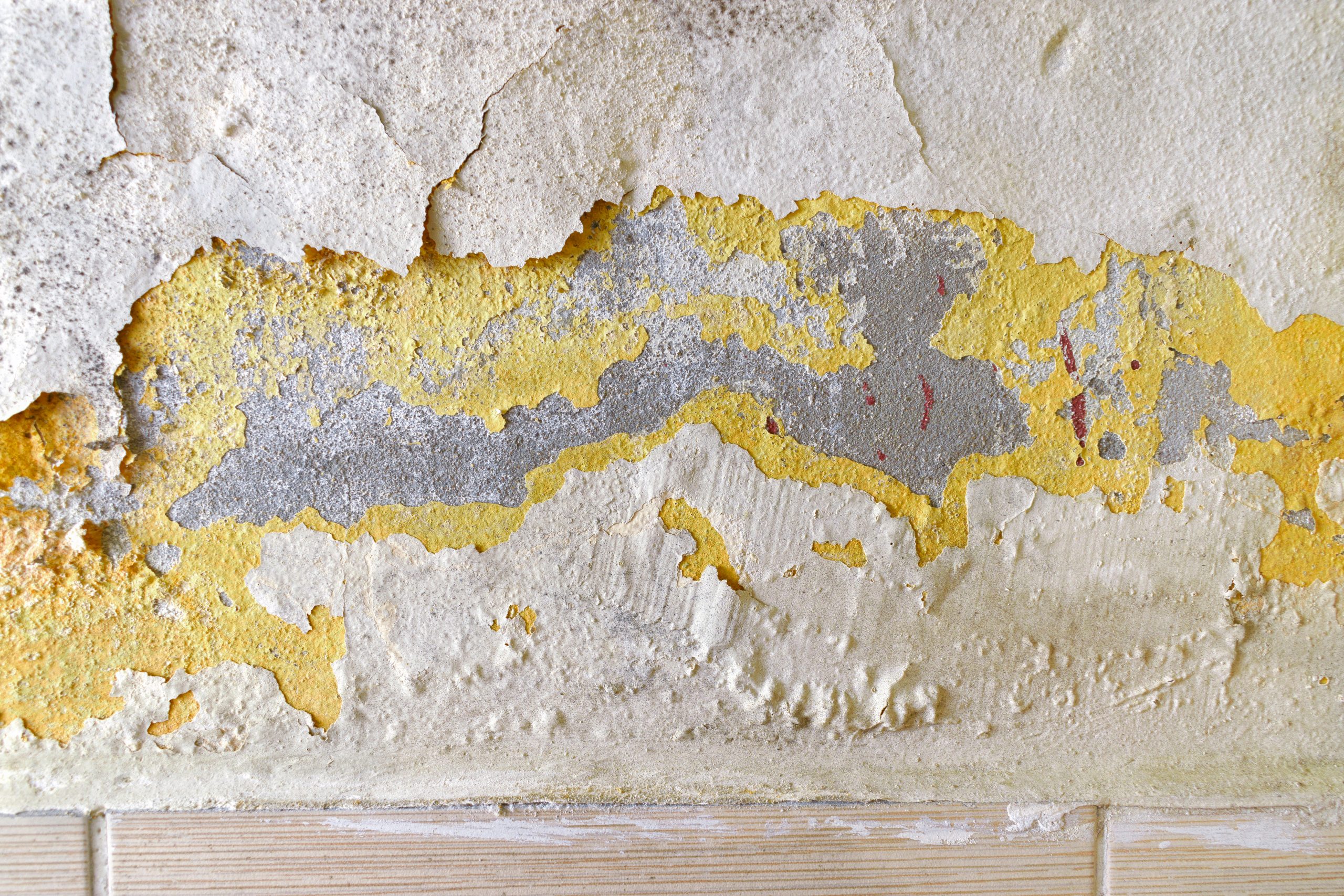

A PIV unit is a mechanical ventilation system that continuously introduces a gentle flow of fresh, filtered air into a property from the loft space or, in flats, directly from outside via a wall-mounted unit. By maintaining a slight positive pressure within the building, it dilutes and displaces stale, moisture-laden air - eliminating the conditions in which condensation and mould develop.
No. Loft-mounted PIV units draw air from the loft space, which acts as a natural buffer zone. The air introduced is tempered as it passes through the loft before entering the living space. In modern units, an integral heater element ensures the supply air is never excessively cold. The air flow rate is designed to be gentle - refreshing the air without creating draughts or noticeable temperature drops.
Loft-mounted PIV units are typically installed in a single day. The unit is fixed in the loft space and a single distribution duct is connected to a diffuser grille, usually positioned in the ceiling of the landing or hallway. The unit connects to your existing 240V electrical supply. For flats without loft access, wall-mounted units are installed directly in an external wall. Installation is clean, minimally disruptive, and does not require access to every room.
Loft-mounted PIV units are suitable for the vast majority of houses with accessible loft spaces. For flats, maisonettes, and properties without usable loft space, wall-mounted positive input ventilation units provide an equivalent solution. We assess the property during our survey to confirm the most appropriate type and position before any installation is recommended.
A PIV unit is extremely effective for condensation caused by insufficient ventilation - the most common cause in modern and recently refurbished properties. However, not all damp is condensation, and not all condensation is caused solely by ventilation deficiency. Rising damp, penetrating damp, thermal bridging, and lifestyle factors all contribute. Our survey-first approach ensures a PIV unit is only recommended where it will genuinely be effective, and that any other contributing factors are addressed at the same time.
A PIV unit is a relatively low-cost way to tackle whole-house condensation, with supply and installation usually completed in a single day. The exact figure depends on the unit specified for your property size and whether it is loft or wall mounted. We only recommend one after confirming that poor ventilation is the actual cause, so you are not paying for a unit that will not fix the problem, and the installation carries our 20 year guarantee.
Yes, when the problem really is condensation from poor ventilation. A PIV unit gently pushes fresh, filtered air into the home, lowering humidity so moisture stops settling on cold surfaces as condensation and black mould. They are a proven, low-running-cost solution. They will not fix rising or penetrating damp though, which is why we always diagnose the cause first and only fit a PIV unit where it is genuinely the right answer.
Book a diagnostic survey and we will give you an honest, evidence-based assessment of what is driving the condensation in your property. If a PIV unit is the right solution, we will specify and install the correct unit for your home. If the cause lies elsewhere, we will tell you - and recommend the right treatment. Straight answers from specialists who have been diagnosing damp since 1972.

Select the concern that best describes your situation.
This helps us prepare for your survey.
We'll use these to arrange your survey and nothing else.
We've received your booking request and will be in touch within 24 hours to confirm your survey.
Or call us now: 01780 410378