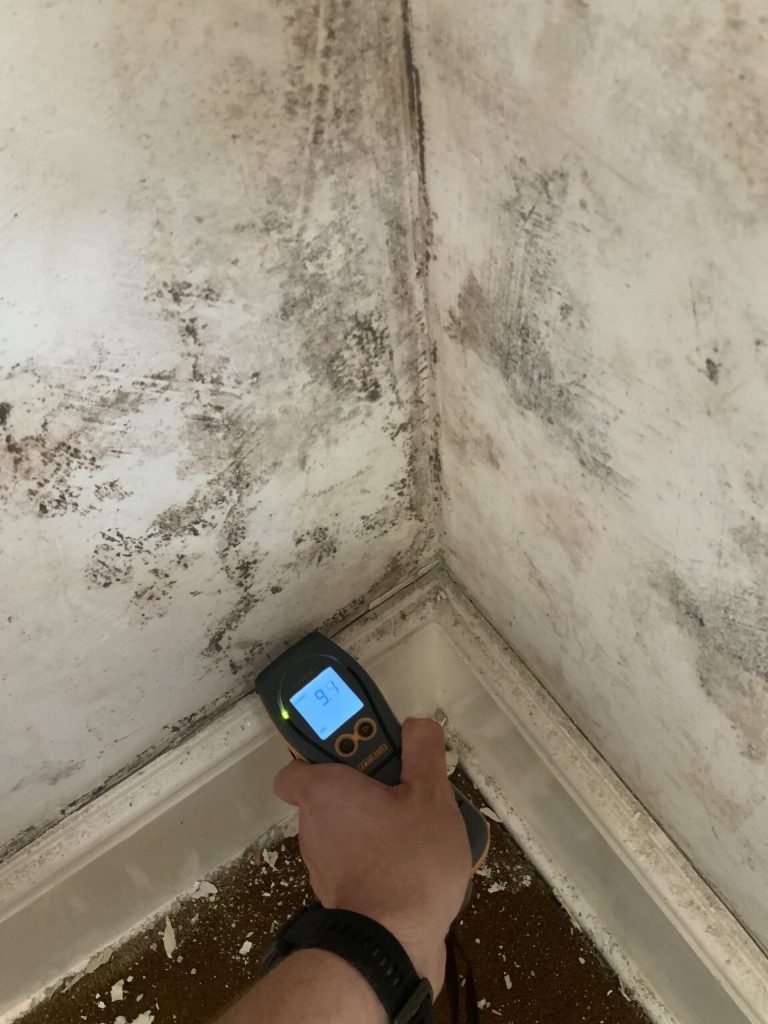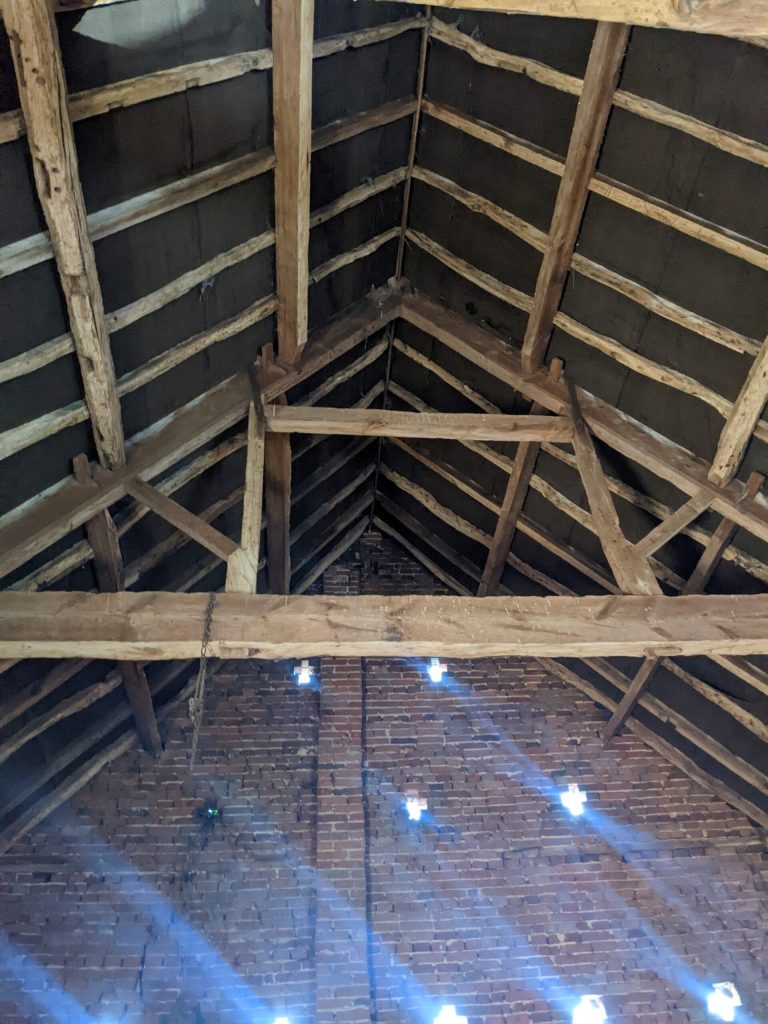
Mould on interior walls is one of those problems people often try to wipe away and forget about. For a few days it can look better. Then the staining returns, the paint starts to lift, the room smells stale, and the same question comes back: why is this happening at all?
In most homes, mould on walls is not the disease itself. It is the symptom. The real issue could be condensation, a hidden leak, poor airflow, thermal bridging, or a bigger damp defect that keeps feeding moisture back into the building fabric.
A practical point most property owners learn the hard way
One reason mould treatment for walls causes so much frustration is that it invites quick fixes. People clean it because it looks unpleasant. They redecorate because they want the room back. They buy one product after another because each one promises a fresh start. Then the same mark, smell or patch returns.
We see that pattern constantly with damp-related issues. The building gives you a visible clue, but the clue is not the whole story. A homeowner may swear the problem appeared overnight, yet the moisture mechanism behind it has often been building for months. A landlord might assume a tenant just needs to open windows more, when the extractor is underperforming and the wall behind the wardrobe is running cold all winter. A buyer might panic over a survey note without realising the underlying issue is limited and manageable once properly diagnosed.
That is why the most useful mindset is not "How do I hide this?" but "What is this telling me about the building?" Once you start there, the next steps become much clearer.
What usually causes mould treatment for walls
There is rarely one universal cause behind mould treatment for walls. Several moisture patterns can produce similar visible symptoms, which is why guessing based on appearance alone often leads to the wrong treatment.
In most homes, mould on walls is not the disease itself. It is the symptom. The real issue could be condensation, a hidden leak, poor airflow, thermal bridging, or a bigger damp defect that keeps feeding moisture back into the building fabric.
The most common contributing factors include:
- Everyday condensation building up on cold outer walls
- Furniture pushed tightly against walls, reducing airflow
- Thermal bridging around corners, lintels and reveals
- Small leaks from gutters, roofs or plumbing feeding the wall
- Previous damp repairs that treated the stain but not the moisture source
The job of diagnosis is to narrow that list down. Pattern matters. Location matters. Timing matters. The material affected matters. If the problem gets worse after rain, that points you in one direction. If it worsens in cold still weather when the room is occupied, that points you somewhere else. If it is concentrated around one detail such as a chimney breast, shower enclosure, basement wall or external corner, that matters too.
A good surveyor will compare the symptom with the property context. Is this an old solid wall house or a later cavity wall property? Is the room heated and ventilated consistently? Have recent alterations changed how moisture moves through the building? Are there maintenance defects outside that match what is visible inside? These are the practical questions that stop you from treating the wrong thing.
Why this issue needs the right diagnosis
At Dower Damp Proofing, we always come back to the same principle: damp and mould problems are far easier to solve properly when the cause is identified before the treatment is chosen. That sounds obvious, but plenty of property owners still get sold a product before anyone has taken a proper look at the building.
Experience matters here. A wall that looks like a condensation problem may actually be dealing with rain penetration from cracked render. A bathroom that appears to be a simple mould job may have an extractor that is undersized or not ducted correctly. A cellar that feels damp all year might need a designed waterproofing approach rather than a quick coating.
That practical, on-site perspective is part of EEAT in the real world. You are not just looking for information. You are looking for judgment that comes from seeing similar patterns in actual properties, knowing which clues matter, and understanding how older and newer buildings behave differently.
The signs to pay attention to
Not every moisture issue announces itself dramatically. Quite often the clues are gradual and easy to rationalise away at first. With mould treatment for walls, the warning signs commonly include:
- Black or dark speckling on paint or wallpaper
- A cold feeling on the affected section of wall
- Peeling paint, lifting paper or discoloured plaster
- A stale smell that gets worse in winter
- The patch returning shortly after cleaning or repainting
None of those clues should be viewed in isolation. A musty smell without visible staining still matters. So does fresh decoration that appears to be failing unusually quickly. In many cases, the combination of small signs tells you more than any one dramatic symptom on its own.
It is also worth noting that surface appearance can be misleading. A dark patch may be active mould, historic staining, soot contamination, salt deposition or a combination of factors. That is another reason why diagnosis comes before treatment.
What you can do yourself first
For minor, clearly surface-level issues, there are sensible first steps you can take before arranging remedial work. The key is to stay realistic about what DIY can and cannot achieve.
- Wear gloves and improve ventilation before cleaning
- Use a mould-specific cleaner or mild detergent suitable for the surface
- Dry the wall fully after cleaning
- Leave a gap behind wardrobes and large furniture
- Keep background heating and ventilation more consistent
Those steps are most useful where the problem is small, recent and obviously linked to excess internal humidity or poor drying conditions. They are less useful where the building fabric itself is wet, where there is concealed moisture, or where previous attempts have already failed.
A sensible DIY approach should always include observation. Take photos. Note when the room is used. Pay attention to weather. Watch whether the issue appears after showers, heavy rain, cold snaps or periods when the room is shut up. Patterns often reveal more than people expect.
When professional help is the better option
There is a point where professional input stops being an extra expense and becomes the cheapest route to a lasting answer. That is usually when one or more of the following applies:
- The affected area is large or keeps returning
- The plaster feels soft, blown or contaminated
- You suspect penetrating damp or a hidden leak
- Someone in the home is vulnerable to respiratory irritation
- There are multiple rooms affected, suggesting a wider moisture problem
Professional advice is especially valuable when a problem could have more than one cause at the same time. For example, a cold bathroom ceiling might suffer from condensation, while a hidden leak from pipework above makes the same area worse. A cellar might need both external defect repairs and an internal waterproofing strategy. A room with mould behind fitted furniture might also have a gutter problem outside.
In those cases, the real value is not just the treatment. It is the sequencing. What should be investigated first? What needs drying time? Which finishes can stay? Which should come off? Which repairs are essential and which are optional? Good advice prevents false starts.
How to reduce the chance of it coming back
Long-term prevention is always about moisture management rather than one miracle coating or cleaner. In properties affected by mould treatment for walls, the best prevention plan usually combines some of the following:
- Keep the building maintained, especially gutters, roofs, pointing, seals and rainwater goods.
- Improve airflow in moisture-prone rooms with effective extraction to the outside.
- Avoid creating cold, stagnant pockets behind furniture or stored items.
- Use heating more steadily where possible rather than allowing repeated swings from cold to warm.
- Choose repair materials that suit the building, particularly in older properties.
- Revisit the area after repairs to confirm that the pattern has genuinely stopped.
This is where a lot of property owners save themselves future cost. A room that is repaired and then monitored properly is less likely to drift back into the same cycle. A room that is cleaned, redecorated and forgotten may simply hide the evidence until the next cold season.
Expert insights
One of the most useful habits in damp diagnosis is to separate moisture source, moisture pathway and visible symptom. People often focus only on the symptom because that is what they can see. Professionals start by asking three different questions.
- Where is the water or humidity coming from?
- How is it getting to this exact location?
- Why is it showing up in this material rather than somewhere else?
That framework stops you wasting money. It also explains why two rooms with similar staining can need completely different solutions.
Frequently asked questions
Can I just paint over mould on a wall?
Painting over mould rarely works for long. The staining and spores often come back unless the wall is cleaned properly and the moisture source is reduced first.
Why does mould grow behind wardrobes?
Because airflow is poor and the wall surface stays colder. Moisture in the room condenses more easily there and the area dries out slowly.
Is black mould on walls always caused by rising damp?
No. In many homes it is linked to condensation, cold spots or poor ventilation rather than rising damp.
When it is worth getting professional advice
If you are dealing with repeated mould, unexplained damp patches, staining that keeps returning after decoration, or signs of moisture in a basement, chimney, garage or older property, it is usually worth getting the issue looked at properly. A survey-led approach tends to be cheaper than repeated guesswork.
The best outcomes usually come from early intervention. Small defects are easier to repair than long-term hidden moisture damage. And when the diagnosis is right, the treatment plan can be much more precise.
Final thoughts
Good property care is rarely about one miracle product. It is about understanding how moisture behaves in a building and choosing the fix that matches the cause. That is how you get a result that lasts, protects the fabric of the property and gives you confidence that the problem has genuinely been dealt with.
---
Related reading
- Mould on Your Ceiling - when mould appears overhead, the cause may differ
- Professional Mould Removal vs DIY - how to decide whether to tackle mould yourself or call a specialist
- Black Mould Treatment - a focused guide to treating black mould safely
- Condensation vs Damp - understanding whether your issue is condensation or damp