Many homeowners struggle to tell whether they are dealing with condensation or a more serious damp problem. The symptoms can look similar at first glance, and it is common for the two issues to be confused. However, condensation and damp have very different causes, risks, and solutions. Getting the diagnosis wrong can lead to ongoing problems, wasted money, and unnecessary disruption.
Understanding condensation vs damp is essential if you want to protect your property properly. This guide explains the key differences, how to spot which issue you are dealing with, and why correct identification matters before taking action.
Why Condensation and Damp Are Often Confused
Both condensation and damp involve moisture inside the home, and both can result in mould, staining, and damage to internal finishes. Because of this overlap, condensation is often mistaken for damp, or damp is wrongly dismissed as condensation.
The key difference lies in where the moisture comes from. Condensation is caused by moisture generated inside the property, while damp usually enters the building from an external source or from the ground.
Understanding this distinction makes it much easier to identify the real issue.
What Is Condensation?
Condensation occurs when warm, moisture-laden air comes into contact with a cold surface. When the air cools, it can no longer hold the same amount of moisture, which then turns into water droplets on the surface.
Common sources of moisture inside the home include:
- Cooking
- Showering and bathing
- Drying clothes indoors
- Breathing and everyday living
Condensation is most noticeable in rooms where humidity levels are high and ventilation is limited.
Common Signs of Condensation
Condensation tends to follow clear patterns. Typical signs include:
- Water droplets on windows, mirrors, or tiles
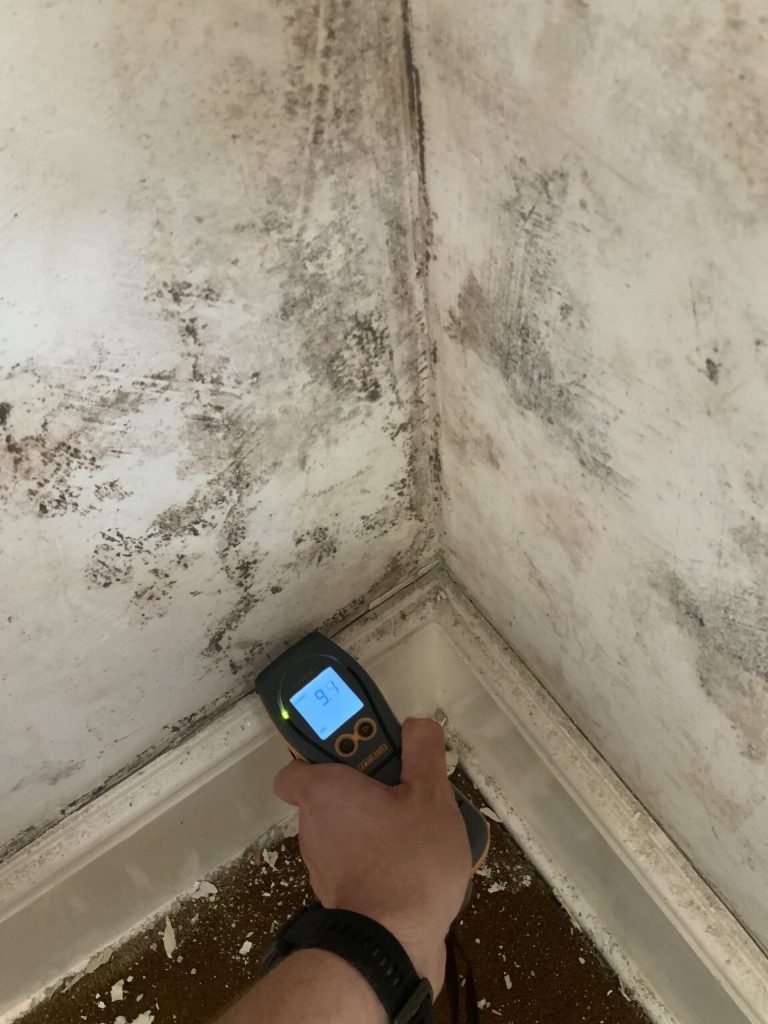
- Black mould in corners of rooms or around window frames
- Damp patches on cold external walls
- Problems that worsen in winter
Condensation often appears higher up on walls and ceilings, rather than at floor level, and may reduce when ventilation or heating improves.

What Is Damp?
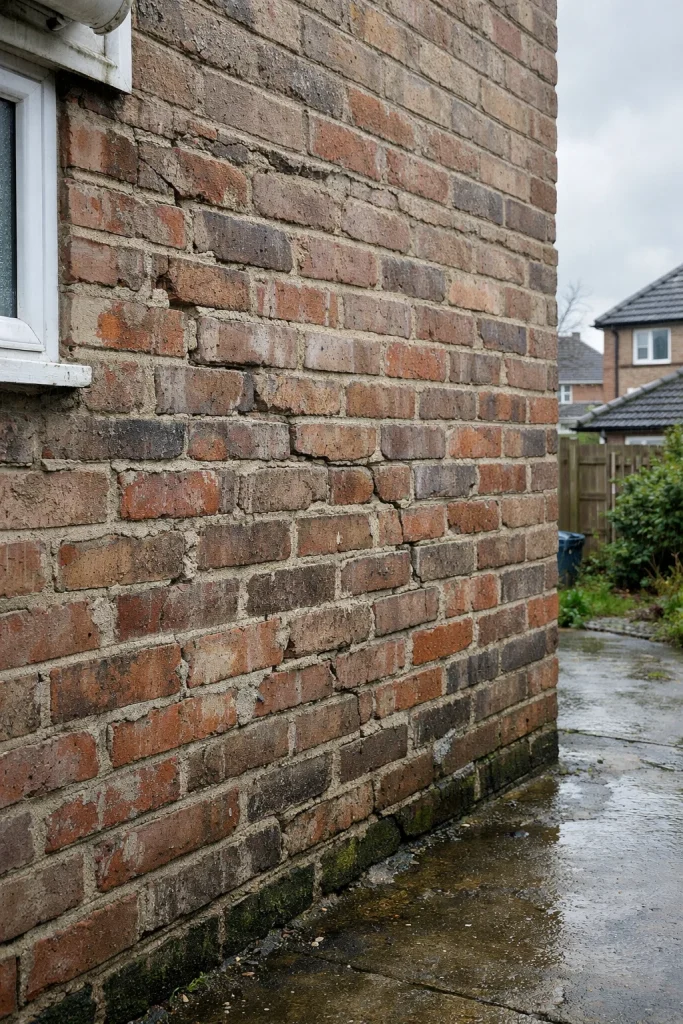
Damp is caused by moisture entering the structure of a building. This moisture can come from the ground, through external walls, or via defects such as leaking gutters, damaged brickwork, or faulty roof coverings.
Unlike condensation, damp is not caused by everyday living activities. It is usually linked to an underlying defect in the building fabric that allows water to penetrate or rise into the walls.
Common Signs of Damp
Damp often presents differently to condensation. Typical signs include:
- Persistent damp patches that do not dry out
- Damage focused at low level or in specific areas
- Peeling paint or blown plaster
- White salt deposits on walls
- Damp or rotting skirting boards
Damp problems are usually consistent throughout the year and may worsen after rainfall, depending on the cause.
Condensation vs Damp: Key Differences
Understanding the main differences between condensation and damp can help you identify which issue is affecting your property.
Location of the Problem
Condensation usually affects cold surfaces such as windows, external walls, and ceilings. It often appears in corners or behind furniture where air circulation is poor.
Damp can appear at any height depending on the cause, but rising damp is typically limited to ground level, while penetrating damp may appear on walls or ceilings.
Timing and Patterns
Condensation is often seasonal and worse in colder months when windows are closed and heating is used intermittently.
Damp problems tend to be persistent and may worsen after heavy rain or over long periods.
Response to Ventilation
Condensation often improves when ventilation is increased, such as opening windows, using extractor fans, or improving airflow.
Damp does not usually respond to ventilation changes alone, as the moisture source is structural rather than internal.
Why Correct Diagnosis Matters
Treating condensation as damp can lead to unnecessary work, while treating damp as condensation often allows the problem to worsen.
For example:
- Installing extractor fans will not stop rising damp
- Repainting walls will not fix penetrating damp
- Dehumidifiers may mask damp symptoms without addressing the cause
Correct diagnosis ensures that any solution targets the source of moisture, not just the visible effects.
When Condensation Is the Likely Issue
Condensation is more likely if:
- Mould appears mainly in corners or around windows
- Water droplets form on glass and cold surfaces
- Problems improve when ventilation is increased
- There are no visible defects externally
In these cases, improving airflow, heating consistency, and moisture management is usually the correct approach.
When Damp Is the Likely Issue
Damp should be suspected if:
- Damp patches remain even in warm, dry weather
- Damage is concentrated at low level
- Skirting boards or plaster are deteriorating
- External defects or high ground levels are present
Where damp is identified, professional investigation is often needed to confirm the cause and determine the correct remedy.
What to Do If You Are Unsure
If you are struggling to determine whether you are dealing with condensation or damp, avoid making assumptions or carrying out cosmetic repairs too quickly.
Practical steps include:
- Observing when and where the moisture appears
- Checking ventilation and heating patterns
- Inspecting external walls, gutters, and ground levels
- Monitoring whether the problem changes with weather conditions
Where damp is suspected, appropriate damp proofing measures may be required to stop moisture at source rather than repeatedly treating surface damage.
Final Thoughts
Understanding condensation vs damp is key to protecting your property and avoiding unnecessary expense. While condensation is linked to everyday living and ventilation, damp is usually a structural issue that requires targeted treatment.
If moisture problems persist, worsen over time, or show clear signs of damp damage, it is important to investigate properly rather than relying on short-term fixes. Correct diagnosis is always the first step towards a lasting solution.