Unit 1 & 2, Grantham, NG31 9ST
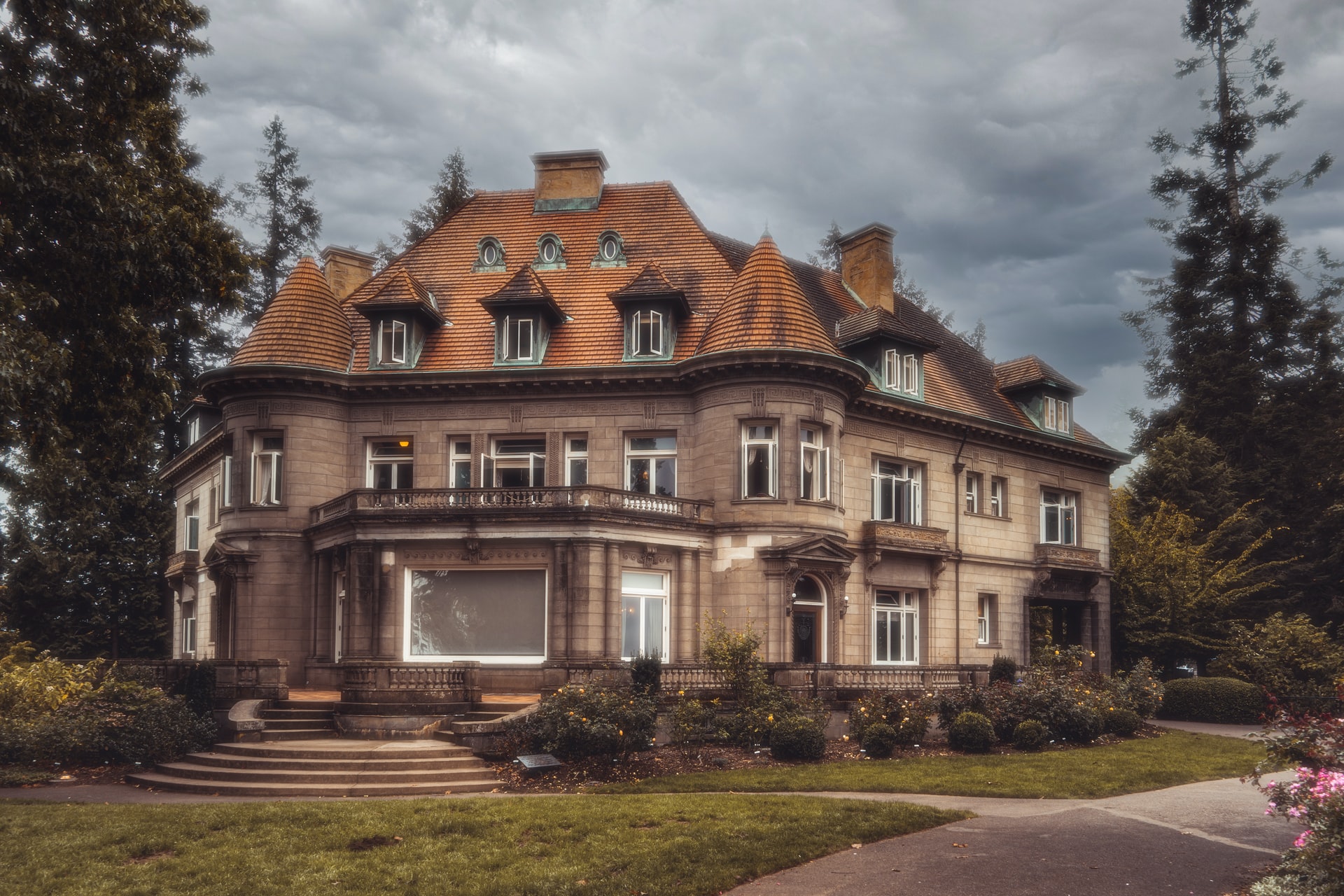
Specialist preservation and remedial services for period, listed, and solid-wall buildings across Lincolnshire and the East Midlands - using breathable, heritage-appropriate materials and proven conservation principles.
Tell us what's happening and we'll get back to you quickly with honest advice and a no-obligation quote. Prefer to talk? Call 01780 410378.
Heritage preservation is the practice of maintaining, repairing, and protecting historic buildings using materials and methods that are sympathetic to their original construction. It is fundamentally different from standard modern building work, and requires a specialist understanding of how traditional structures were built and how they behave over time.
Period buildings - Victorian terraces, Georgian townhouses, stone farmhouses, medieval churches, listed manor houses - were constructed using materials that breathe. Lime mortars, stone, brick, and traditional renders all allow moisture to move in and out of the wall fabric as conditions change. This is not a flaw; it is by design. These buildings manage moisture through a process of absorption and evaporation rather than exclusion.
When modern materials - cement renders, impermeable masonry paints, or chemical damp-proof injections - are applied to historic buildings without proper understanding, they disrupt this natural moisture cycle. Moisture becomes trapped behind impermeable layers, leading to accelerated decay of the masonry, structural damage, and the very damp problems the works were intended to solve.
Our approach to heritage preservation is grounded in conservation principles. We assess each building individually, understand how it was built, and specify materials and methods that work with the building rather than against it. This protects its long-term integrity and preserves the character that makes it special.
The cornerstone of responsible heritage preservation is understanding before acting. Every historic building has its own character, construction history, and moisture dynamics. Our surveyors assess all of these before a single recommendation is made.
From lime plastering and repointing to damp treatment in listed buildings, our heritage services cover the full range of needs for period and traditional properties.
Failed, crumbling, or cement-pointed joints are one of the most common and damaging problems in historic masonry. We carefully rake out deteriorated mortar and replace it with an appropriately specified lime mortar matched in strength, colour, and texture to the original. This protects the masonry from water ingress while maintaining the flexibility and breathability the building requires. We never use cement in historic masonry.
Internal and external lime plaster systems are essential to the performance of historic solid-wall buildings. Whether repairing a failing lime plaster ceiling in a Georgian property, applying a new lime render to a stone cottage, or replastering following damp remediation in a listed building, we use traditional lime-based systems that are fully compatible with the original construction. Our plasterers are skilled in both hydraulic lime and lime putty systems.
Natural stone is susceptible to erosion, spalling, and biological growth over time, particularly where inappropriate cement mortars have been used in previous repairs. We consolidate, repair, and in some cases replace stone elements using matching natural stone and lime-based repair mortars. Our approach prioritises retention of original fabric, with replacement only where consolidation is no longer viable. We can advise on appropriate masonry consolidants and protective treatments.
Damp in listed and historic buildings must be diagnosed and treated with far greater care than in modern construction. We carry out a full moisture and fabric assessment before specifying any treatment, identifying the true source and mechanism of the damp. Where intervention is required, we use breathable, heritage-appropriate systems - lime-based replastering, improved drainage, ventilation solutions, and in appropriate cases carefully specified consolidants - rather than impermeable chemical barriers that would damage the building fabric.

Yes. Treating damp in a listed building requires a very different approach to standard remedial work. Modern chemical DPC injections and cement-based renders are often inappropriate and can cause long-term harm to historic fabric. We use breathable, lime-based systems and conservation-appropriate methods that are compatible with the movement characteristics of solid-wall and stone construction. Where listed building consent is required, we can advise on the documentation needed.
Lime mortar is a traditional mix of lime putty or hydraulic lime, aggregate, and water. It is softer and more flexible than modern cement mortars, which is essential in heritage buildings. Solid masonry walls naturally expand, contract, and move slightly with temperature and moisture. Lime mortar accommodates this movement; cement does not. Using cement in a historic structure causes cracking, traps moisture, and can lead to spalling of the masonry itself.
It depends on the nature of the works and the listing status of the building. Routine maintenance such as like-for-like repointing in matching lime mortar may not require consent, but more significant interventions to the character-defining elements of a listed building typically will. We work closely with clients and their local conservation officers to ensure all works are compliant and appropriately documented.
Solid-wall properties - including pre-1919 Victorian and Edwardian houses, Georgian townhouses, and traditional stone buildings - are designed to breathe. They manage moisture by allowing it to pass in and out of the wall fabric rather than blocking it. Standard modern damp proofing methods can trap moisture and cause significant damage. We assess each solid-wall property individually and specify breathable solutions that work with the building's natural moisture management rather than against it.
Hard cement renders and waterproof coatings trap moisture inside solid, breathable walls, which can push the damp somewhere else and speed up decay in both masonry and timber. Older buildings were built to breathe, so lime-based, vapour-permeable materials are the right choice for damp repairs that last. It is an approach our team uses whenever we work on period and listed properties.
Older properties usually rely on breathable, traditional materials, so damp is best handled with sympathetic, moisture-open solutions like lime plasters and renders rather than sealing the walls with modern cement. The aim is to let the building breathe and allow moisture to escape rather than trapping it, which protects both the fabric and its character. We always survey first and work in keeping with the property.
Book a heritage building survey and we will give you an honest, evidence-based assessment of your property's condition - with a clear specification of any works required that respects the building's character and construction. No inappropriate modern solutions, no guesswork. Just specialist advice from people who have been caring for historic buildings since 1972.

Select the concern that best describes your situation.
This helps us prepare for your survey.
We'll use these to arrange your survey and nothing else.
We've received your booking request and will be in touch within 24 hours to confirm your survey.
Or call us now: 01780 410378