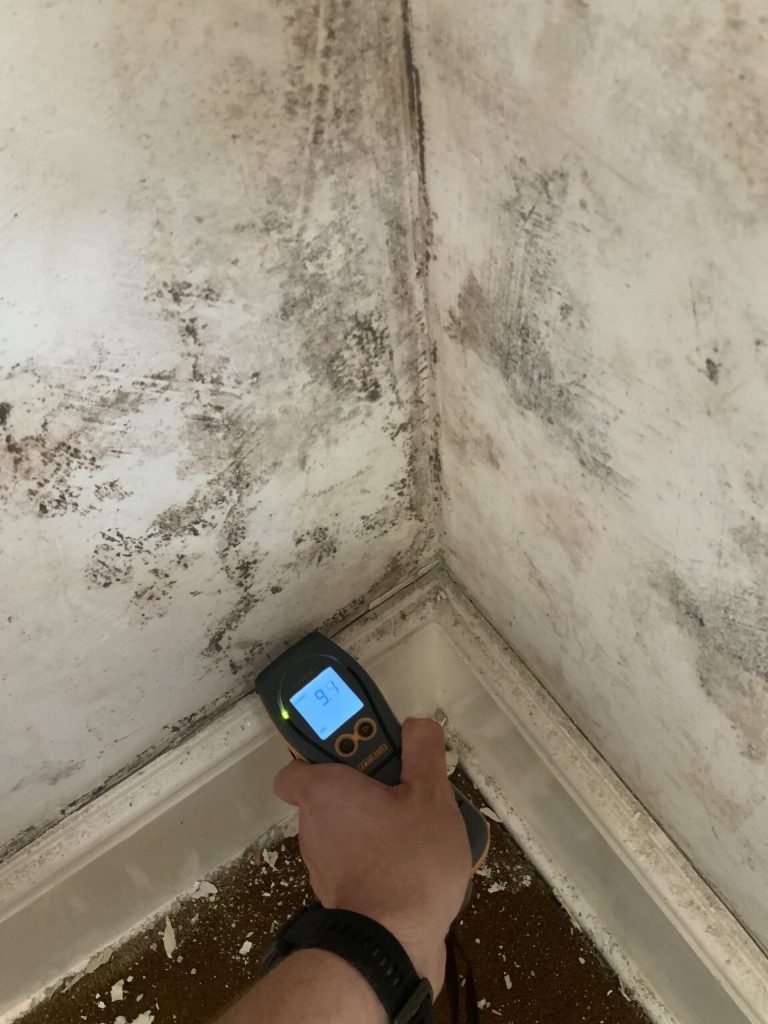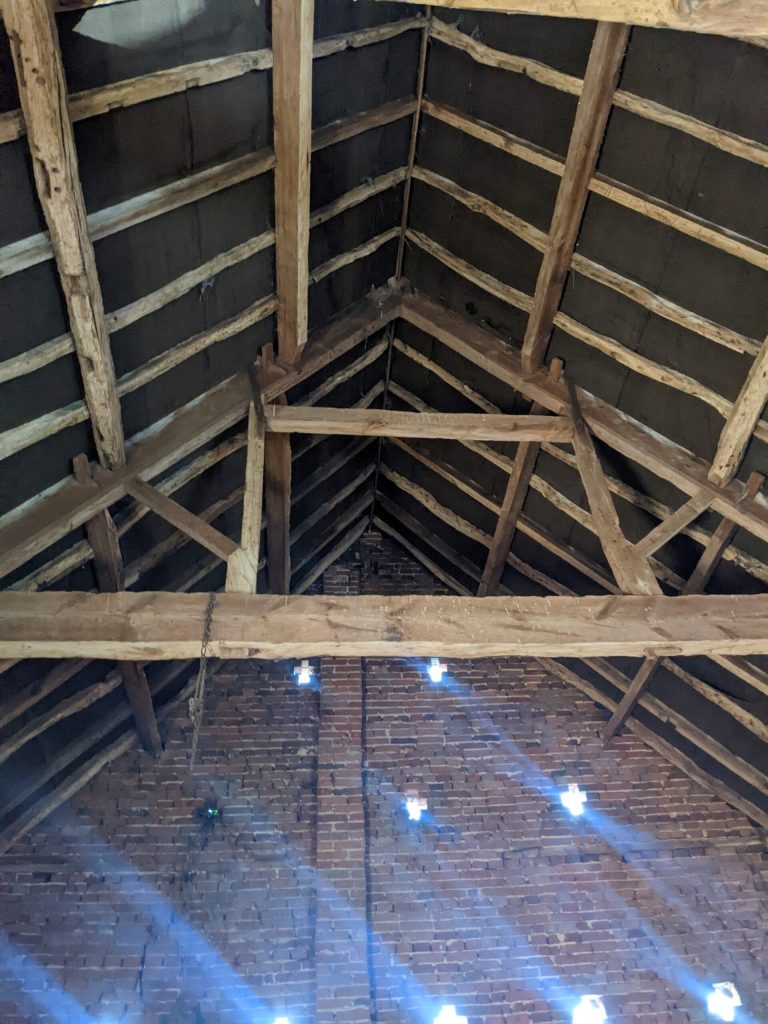
Damp in old houses needs a calmer, more careful approach than the internet often suggests. Period buildings behave differently from modern cavity wall homes. They were usually built to breathe, using lime mortars, soft brick, stone, suspended floors and materials that let moisture move and evaporate naturally.
That matters because the wrong modern repair can make an older building worse. Waterproof coatings, hard cement renders, inappropriate gypsum plasters and sealed-up ventilation points can all trap moisture where the structure was originally designed to release it.
A practical point most property owners learn the hard way
One reason damp in old houses causes so much frustration is that it invites quick fixes. People clean it because it looks unpleasant. They redecorate because they want the room back. They buy one product after another because each one promises a fresh start. Then the same mark, smell or patch returns.
We see that pattern constantly with damp-related issues. The building gives you a visible clue, but the clue is not the whole story. A homeowner may swear the problem appeared overnight, yet the moisture mechanism behind it has often been building for months. A landlord might assume a tenant just needs to open windows more, when the extractor is underperforming and the wall behind the wardrobe is running cold all winter. A buyer might panic over a survey note without realising the underlying issue is limited and manageable once properly diagnosed.
That is why the most useful mindset is not "How do I hide this?" but "What is this telling me about the building?" Once you start there, the next steps become much clearer.
What usually causes damp in old houses
There is rarely one universal cause behind damp in old houses. Several moisture patterns can produce similar visible symptoms, which is why guessing based on appearance alone often leads to the wrong treatment.
That matters because the wrong modern repair can make an older building worse. Waterproof coatings, hard cement renders, inappropriate gypsum plasters and sealed-up ventilation points can all trap moisture where the structure was originally designed to release it.
The most common contributing factors include:
- Long periods of moisture linked to the issue around damp in old houses
- Cold surfaces or hidden moisture traps allowing condensation to linger
- Defects in the building fabric, finishes or ventilation strategy
- Past cosmetic repairs that improved appearance but not the source
- Seasonal changes that make the symptoms look worse in colder months
The job of diagnosis is to narrow that list down. Pattern matters. Location matters. Timing matters. The material affected matters. If the problem gets worse after rain, that points you in one direction. If it worsens in cold still weather when the room is occupied, that points you somewhere else. If it is concentrated around one detail such as a chimney breast, shower enclosure, basement wall or external corner, that matters too.
A good surveyor will compare the symptom with the property context. Is this an old solid wall house or a later cavity wall property? Is the room heated and ventilated consistently? Have recent alterations changed how moisture moves through the building? Are there maintenance defects outside that match what is visible inside? These are the practical questions that stop you from treating the wrong thing.
Why this issue needs the right diagnosis
At Dower Damp Proofing, we always come back to the same principle: damp and mould problems are far easier to solve properly when the cause is identified before the treatment is chosen. That sounds obvious, but plenty of property owners still get sold a product before anyone has taken a proper look at the building.
Experience matters here. A wall that looks like a condensation problem may actually be dealing with rain penetration from cracked render. A bathroom that appears to be a simple mould job may have an extractor that is undersized or not ducted correctly. A cellar that feels damp all year might need a designed waterproofing approach rather than a quick coating.
That practical, on-site perspective is part of EEAT in the real world. You are not just looking for information. You are looking for judgment that comes from seeing similar patterns in actual properties, knowing which clues matter, and understanding how older and newer buildings behave differently.
The signs to pay attention to
Not every moisture issue announces itself dramatically. Quite often the clues are gradual and easy to rationalise away at first. With damp in old houses, the warning signs commonly include:
- Visible symptoms connected to damp in old houses
- Recurring staining, odour or damage after cleaning or decoration
- Surfaces that feel colder, wetter or slower to dry than surrounding areas
- Evidence that the issue worsens after rain, bathing, cooking or inactivity
- A pattern that suggests the symptom is secondary to another defect
None of those clues should be viewed in isolation. A musty smell without visible staining still matters. So does fresh decoration that appears to be failing unusually quickly. In many cases, the combination of small signs tells you more than any one dramatic symptom on its own.
It is also worth noting that surface appearance can be misleading. A dark patch may be active mould, historic staining, soot contamination, salt deposition or a combination of factors. That is another reason why diagnosis comes before treatment.
What you can do yourself first
For minor, clearly surface-level issues, there are sensible first steps you can take before arranging remedial work. The key is to stay realistic about what DIY can and cannot achieve.
- Start by documenting the pattern before changing too many variables
- Improve ventilation and maintain steadier background warmth where appropriate
- Clean only where the issue is clearly surface-level and safe to handle
- Move stored items or furniture away from affected surfaces to improve airflow
- Monitor how the area behaves over two to four weeks after changes
Those steps are most useful where the problem is small, recent and obviously linked to excess internal humidity or poor drying conditions. They are less useful where the building fabric itself is wet, where there is concealed moisture, or where previous attempts have already failed.
A sensible DIY approach should always include observation. Take photos. Note when the room is used. Pay attention to weather. Watch whether the issue appears after showers, heavy rain, cold snaps or periods when the room is shut up. Patterns often reveal more than people expect.
When professional help is the better option
There is a point where professional input stops being an extra expense and becomes the cheapest route to a lasting answer. That is usually when one or more of the following applies:
- The source is uncertain or seems to involve the building fabric
- The issue is recurring despite sensible housekeeping changes
- There is material damage, staining, decay or risk of hidden moisture
- Several areas are affected at once or the defect is spreading
- You need a clear report for budgeting, a purchase, a tenant issue or an insurer
Professional advice is especially valuable when a problem could have more than one cause at the same time. For example, a cold bathroom ceiling might suffer from condensation, while a hidden leak from pipework above makes the same area worse. A cellar might need both external defect repairs and an internal waterproofing strategy. A room with mould behind fitted furniture might also have a gutter problem outside.
In those cases, the real value is not just the treatment. It is the sequencing. What should be investigated first? What needs drying time? Which finishes can stay? Which should come off? Which repairs are essential and which are optional? Good advice prevents false starts.
How to reduce the chance of it coming back
Long-term prevention is always about moisture management rather than one miracle coating or cleaner. In properties affected by damp in old houses, the best prevention plan usually combines some of the following:
- Keep the building maintained, especially gutters, roofs, pointing, seals and rainwater goods.
- Improve airflow in moisture-prone rooms with effective extraction to the outside.
- Avoid creating cold, stagnant pockets behind furniture or stored items.
- Use heating more steadily where possible rather than allowing repeated swings from cold to warm.
- Choose repair materials that suit the building, particularly in older properties.
- Revisit the area after repairs to confirm that the pattern has genuinely stopped.
This is where a lot of property owners save themselves future cost. A room that is repaired and then monitored properly is less likely to drift back into the same cycle. A room that is cleaned, redecorated and forgotten may simply hide the evidence until the next cold season.
Expert insights
One of the most useful habits in damp diagnosis is to separate moisture source, moisture pathway and visible symptom. People often focus only on the symptom because that is what they can see. Professionals start by asking three different questions.
- Where is the water or humidity coming from?
- How is it getting to this exact location?
- Why is it showing up in this material rather than somewhere else?
That framework stops you wasting money. It also explains why two rooms with similar staining can need completely different solutions.
Frequently asked questions
How do I know if this is a serious issue?
If the problem is recurring, spreading, damaging finishes or linked to a suspected leak or structural defect, it is worth having it assessed rather than relying on repeated cosmetic fixes.
Can I solve this myself?
Small, isolated surface issues can sometimes be improved with careful cleaning and better ventilation. Once the cause is unclear or the area is more than minor, professional advice is usually the safer option.
Will the problem come back?
It often does if the moisture source is not addressed. Lasting results depend on diagnosis, repair and good aftercare rather than treatment of the stain alone.
When it is worth getting professional advice
If you are dealing with repeated mould, unexplained damp patches, staining that keeps returning after decoration, or signs of moisture in a basement, chimney, garage or older property, it is usually worth getting the issue looked at properly. A survey-led approach tends to be cheaper than repeated guesswork.
The best outcomes usually come from early intervention. Small defects are easier to repair than long-term hidden moisture damage. And when the diagnosis is right, the treatment plan can be much more precise.
Final thoughts
Good property care is rarely about one miracle product. It is about understanding how moisture behaves in a building and choosing the fix that matches the cause. That is how you get a result that lasts, protects the fabric of the property and gives you confidence that the problem has genuinely been dealt with.
---
Related reading
- What Is Lateral Damp - how lateral damp affects older buildings
- Salt Damp and Efflorescence - what salt deposits on walls tell you
- Gypsum vs Lime Plaster - why lime plaster matters in heritage properties
- How External Ground Levels Affect Damp - how ground levels contribute to damp in older homes