Penetrating damp is one of the most common forms of damp affecting properties across the UK. Unlike rising damp, which comes up from the ground, penetrating damp enters a building horizontally through walls, roofs, or floors. It is often linked to defects in the external fabric of a property and can affect buildings of any age if maintenance issues are left unresolved.
Understanding the penetrating damp causes, how to recognise the symptoms early, and what typical fixes involve can help prevent ongoing damage and unnecessary repair costs. This guide explains penetrating damp in clear terms, highlights the warning signs to look out for, and outlines how it is usually addressed.
What Is Penetrating Damp?
Penetrating damp occurs when water passes through the external envelope of a building and makes its way inside. This usually happens when there is a fault or weakness in the structure that allows rainwater or moisture to penetrate.
Common entry points include external walls, roofs, windows, doors, and below ground structures. Once water finds a route in, it can spread through internal walls and finishes, often worsening during periods of heavy or prolonged rainfall.
Unlike condensation, penetrating damp is not caused by internal moisture levels. It is also different from rising damp, as it can appear at any height on a wall rather than being limited to ground level.
Common Penetrating Damp Causes
Identifying the cause of penetrating damp is essential, as treatment depends on addressing the source of moisture rather than just the internal damage. Below are the most common penetrating damp causes seen in UK properties.
Defective Brickwork and Pointing
Over time, brickwork and mortar joints can deteriorate due to weather exposure. Cracked bricks, eroded pointing, or gaps in mortar joints allow rainwater to pass directly through the wall.
Solid wall properties are particularly vulnerable, as there is no cavity to prevent moisture from reaching internal surfaces.
Damaged or Blocked Gutters and Downpipes
Faulty rainwater goods are one of the most frequent causes of penetrating damp. Leaking, cracked, or overflowing gutters can allow water to cascade down external walls repeatedly, soaking the masonry.
Similarly, blocked or broken downpipes can cause water to pool at specific points, leading to persistent damp patches inside.
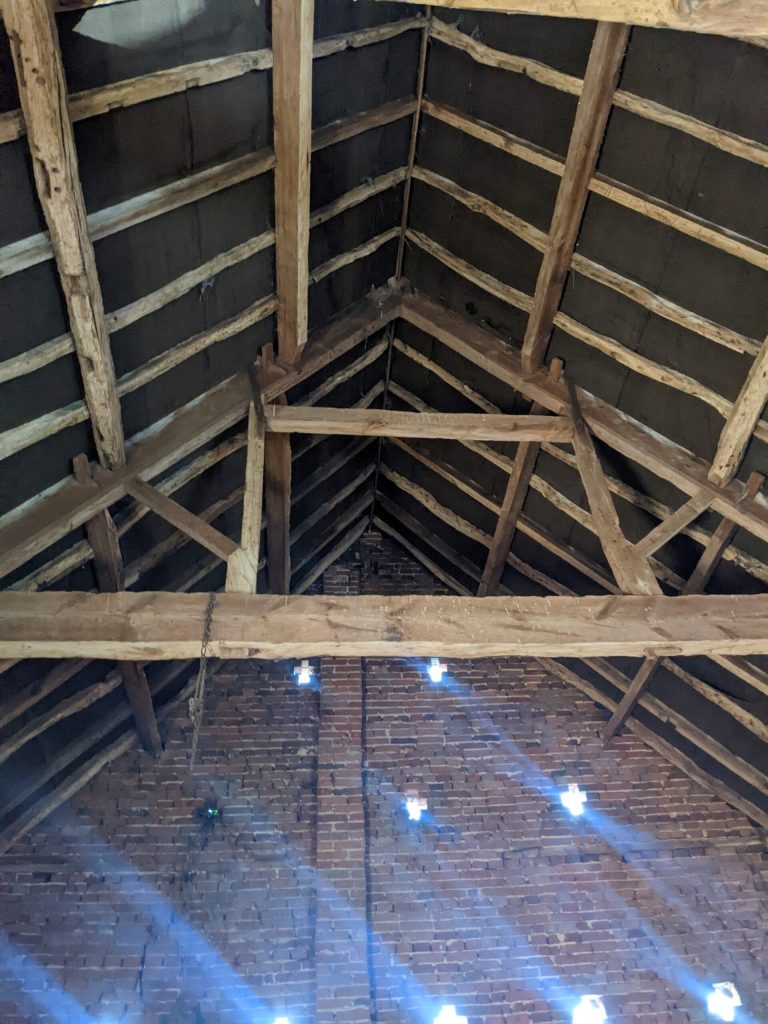
Roof Defects
Issues such as missing roof tiles, damaged flashing, or blocked valleys can allow water to enter the building from above. This moisture can then track down walls internally, making the source difficult to identify without proper inspection.
Penetrating damp from roof defects often worsens during storms or periods of wind driven rain.
Cracks Around Windows and Doors
Gaps around window and door frames are another common entry point for water. Failed seals, deteriorated mastic, or poorly fitted frames can all allow rainwater to seep inside.
Damp caused by these defects is often localised around the opening but can spread over time.
Render and External Coatings
Cracked, blown, or poorly maintained render can trap moisture or allow water behind the surface. Once water gets behind the render, it can be slow to dry out and may lead to damp appearing internally.
In some cases, impermeable coatings can make the problem worse by preventing moisture from escaping.
Below Ground Walls and Basements
Penetrating damp is especially common in basements and lower ground floors, where walls are in direct contact with surrounding soil. Groundwater and surface water can exert pressure on below ground walls, forcing moisture through any weaknesses.
This type of damp often requires specialist assessment and treatment.
Symptoms of Penetrating Damp
The symptoms of penetrating damp can vary depending on the source and severity of the problem. However, there are several common indicators to watch for.
Localised Damp Patches
Penetrating damp often appears as isolated damp patches on walls or ceilings. These patches may darken after rainfall and lighten as conditions dry.
Unlike rising damp, there is usually no consistent height pattern.
Peeling Paint and Damaged Plaster
As moisture enters the wall, it can cause paint to blister or peel and plaster to soften, crack, or crumble. This damage is often confined to the area affected by water ingress.
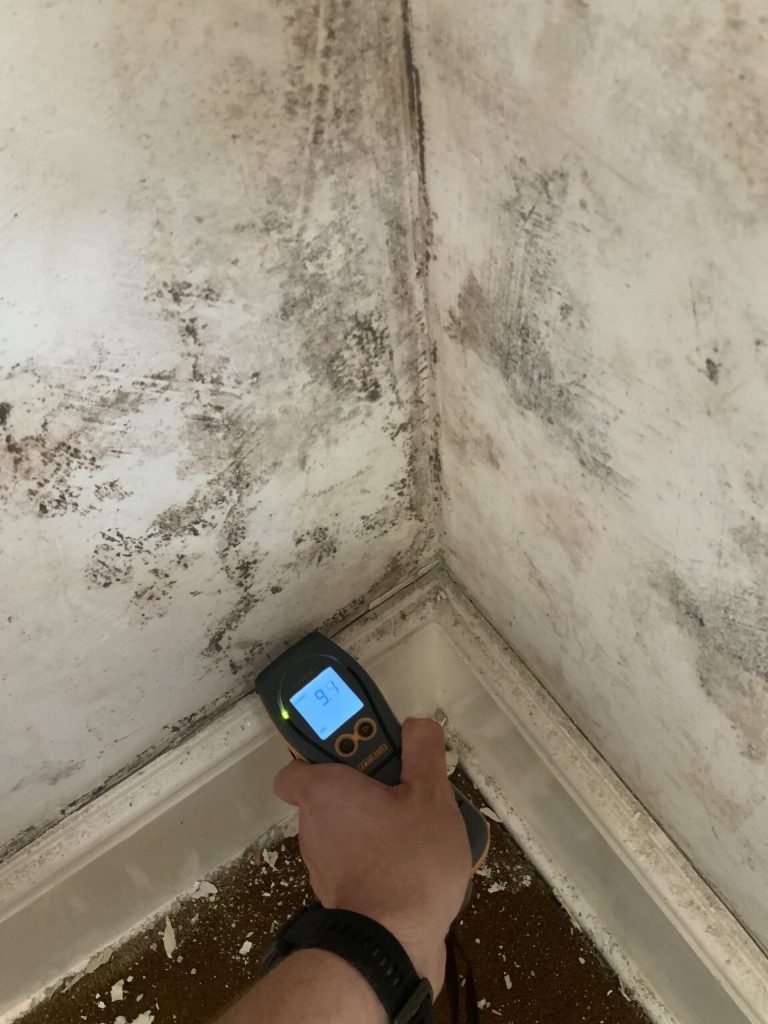
Mould Growth
Persistent moisture from penetrating damp can create conditions suitable for mould growth. This may appear as black, green, or white patches, particularly on walls that stay damp for long periods.
Mould caused by penetrating damp is often localised rather than widespread.
Damp Smells
A musty or stale smell is another common symptom, especially in rooms where moisture is slow to dry out. This is often noticeable in basements or rooms with poor ventilation.
How Penetrating Damp Differs from Other Damp Issues
Accurate diagnosis is crucial, as penetrating damp is often confused with other forms of damp.
- Rising damp starts at ground level and moves upward, usually leaving tide marks and salt deposits
- Condensation is caused by internal humidity and typically affects cold surfaces such as windows and corners
- Penetrating damp is linked to external defects and can occur at any height
Understanding these differences helps ensure the correct remedial approach is taken.
Typical Fixes for Penetrating Damp
There is no single solution for penetrating damp, as treatment depends entirely on the cause. However, typical fixes usually focus on stopping water from entering the building in the first place.
External Repairs
Most penetrating damp issues are resolved by repairing external defects, such as:
- Repointing damaged brickwork
- Replacing cracked or spalled bricks
- Repairing or renewing render
- Fixing leaking gutters and downpipes
- Resealing windows and doors
These measures stop water at source, which is essential for long term resolution.
Improving Drainage and Water Management
Ensuring rainwater is directed away from the building is critical. This may involve clearing blockages, adjusting falls, or improving drainage around the property.
Where appropriate, general damp proofing measures may also be required to support overall moisture control.
Internal Repairs
Once the source of moisture has been addressed, internal repairs can begin. This may include allowing walls to dry naturally, replacing damaged plaster, and redecorating using breathable materials.
Carrying out internal repairs before fixing the cause often leads to recurring problems.
Basement and Below Ground Solutions
For properties affected at basement or lower ground level, more specialist solutions are often required. This may involve tanking systems, cavity drainage membranes, or other forms of basement waterproofing designed to manage water ingress safely.
These systems are typically tailored to the structure and use of the space.
Why Early Action Matters
Penetrating damp rarely improves without intervention. The longer moisture is allowed to enter a building, the greater the risk of structural damage, decay, and costly repairs.
Early action can:
- Reduce the extent of internal damage
- Prevent ongoing mould growth
- Limit disruption to occupied rooms
- Lower long term maintenance costs
Addressing small defects early is almost always simpler and more cost effective than dealing with widespread damp damage later.
Final Thoughts
Penetrating damp is a common but manageable problem when correctly identified. By understanding the main penetrating damp causes, recognising the symptoms early, and addressing defects at source, homeowners can protect their property from ongoing moisture damage.
If damp patches appear after rainfall, worsen during wet weather, or remain localised to specific areas, penetrating damp should always be considered. Proper investigation and targeted repairs are key to achieving a lasting solution rather than repeated short term fixes.