If you have noticed damp patches, mould, or unexplained moisture in your property, one of the first questions you are likely to ask is whether you need a damp survey or if a builder’s opinion will be enough. It is a common dilemma for homeowners, landlords, and buyers, and the wrong choice can lead to wasted money, incorrect repairs, and ongoing problems.
Understanding what a damp survey involves, how it differs from a builder’s assessment, and when each is appropriate can help you make the right decision from the outset. This guide explains the differences clearly and helps you decide which route is best for your situation.
Why the Difference Matters
Damp problems are often symptoms rather than the root issue. While a builder may be well placed to carry out repairs, identifying why moisture is present requires a different skill set.
Choosing the wrong approach can result in:
- Treating symptoms instead of causes
- Carrying out unnecessary building work
- Missing underlying structural or moisture issues
- Damp returning after repairs are completed
This is why understanding the role of a damp survey is so important before committing to remedial work.
What Is a Damp Survey?
A damp survey is a specialist inspection focused specifically on identifying moisture problems within a property. Its purpose is to diagnose the type of damp present, determine the cause, and recommend appropriate solutions.
A proper damp survey typically involves:
- Visual inspection of internal and external walls
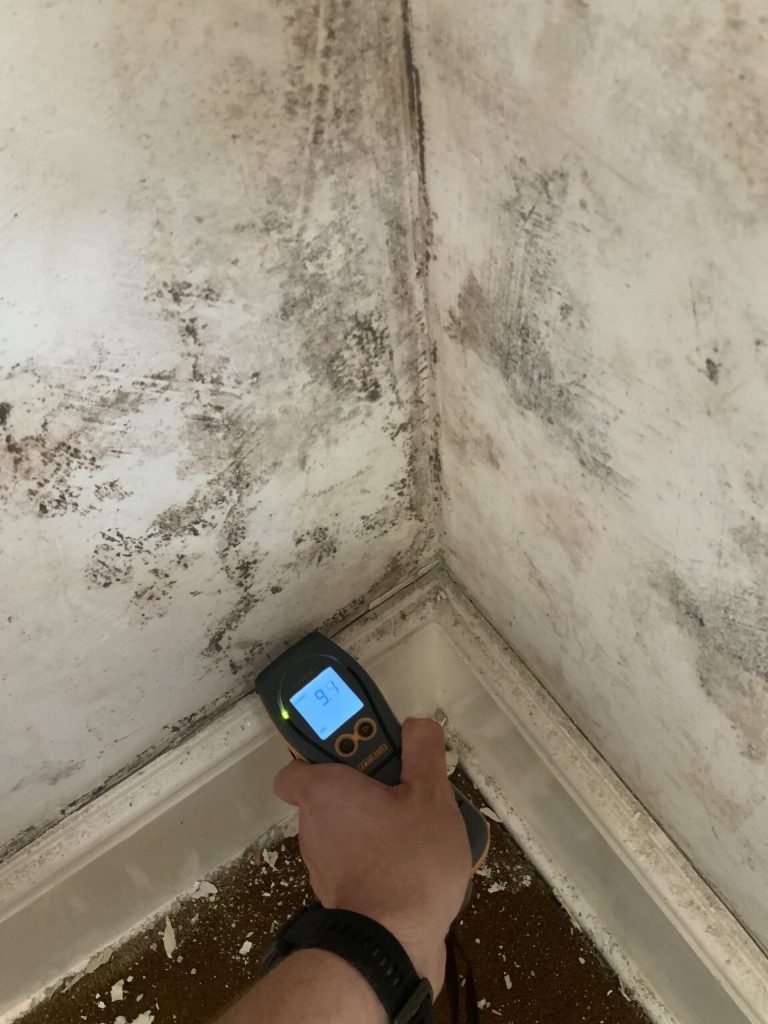
- Moisture readings taken at different heights and locations
- Assessment of ventilation, ground levels, and drainage
- Identification of defects linked to rising damp, penetrating damp, or condensation
- Clear explanation of findings and recommended next steps
The focus is on diagnosis rather than repair. This makes a damp survey particularly valuable when the cause of the problem is unclear.
What Does a Builder’s Opinion Usually Cover?
A builder’s opinion is usually based on visual inspection and practical experience with construction and repairs. Builders are skilled at identifying visible defects and carrying out remedial work such as repointing, plastering, or replacing damaged materials.
However, a builder’s assessment often:
- Focuses on what is visibly damaged
- Assumes a likely cause based on experience
- Is geared towards repair rather than diagnosis
- May not involve moisture testing or environmental assessment
This does not mean a builder’s opinion is wrong, but it can be limited when the cause of damp is not obvious.
When a Damp Survey Is the Better Choice
In many situations, a damp survey is the safest starting point, particularly when there is uncertainty about the source of moisture.
A damp survey is strongly recommended if:
- You are unsure whether the issue is condensation, rising damp, or penetrating damp
- Damp is recurring despite previous repairs
- You are buying or selling a property and need clarity
- Damage appears at low level or in multiple areas
- There are signs of damp below ground or in a basement
In these cases, proper diagnosis helps avoid costly trial and error repairs.
When a Builder’s Opinion May Be Enough
There are situations where a builder’s opinion may be sufficient, particularly when the cause of moisture is clear and limited in scope.
A builder’s opinion may be appropriate if:
- There is an obvious external defect such as a broken gutter or missing roof tile
- Damp is localised and clearly linked to a visible issue
- You already have a professional diagnosis and need repairs carried out
Even in these cases, it is worth being cautious. If moisture has been present for some time, secondary issues may exist beneath the surface.
Common Damp Problems That Need a Survey First
Certain damp issues are frequently misdiagnosed and are best assessed through a damp survey rather than a general inspection.
Rising Damp
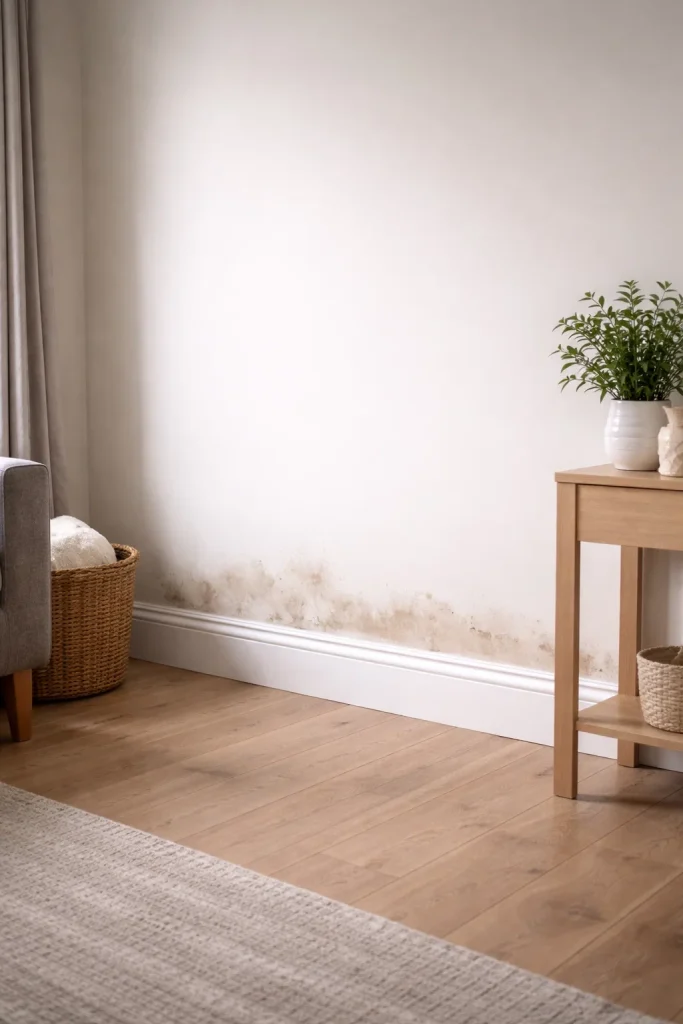
Rising damp is often confused with condensation or general moisture. It typically affects the lower section of walls and can involve salt contamination and damaged plaster.
Correct diagnosis is essential before any damp proofing work is considered, as unnecessary treatments are common when rising damp is assumed without evidence.
Penetrating Damp
Penetrating damp can come from a wide range of sources, including brickwork defects, roof issues, or poorly sealed openings. A damp survey helps pinpoint the entry point rather than treating internal damage alone.
Condensation Issues
Condensation is often mistaken for damp and treated incorrectly. A damp survey can confirm whether moisture is caused by lifestyle and ventilation or whether a structural issue is present.
Where condensation is identified as the primary issue, targeted solutions such as improved ventilation or specialist condensation control measures may be recommended instead of invasive building work.
Basement and Below Ground Damp
Basements present a particular challenge because moisture can come from surrounding ground and water pressure. These issues are rarely solved by surface repairs alone.
A damp survey is usually essential before any form of basement waterproofing is considered, as the wrong system can fail or create new problems.
Damp Surveys During Property Purchases
If you are buying a property, especially an older one, a damp survey can be a valuable addition to a general building survey.
Mortgage valuations and homebuyer reports often note “signs of damp” without identifying the cause. This can lead to uncertainty, price negotiations, or delays.
A damp survey provides:
- Clarity on the severity of the issue
- Confirmation of the type of damp present
- An understanding of likely remedial work
- Evidence to support negotiations or decisions
This can be particularly useful when deciding whether to proceed with a purchase.
Why Guesswork Can Be Costly
One of the biggest risks of relying on assumption rather than diagnosis is paying for work that does not resolve the problem.
Common examples include:
- Replastering walls without addressing moisture sources
- Improving ventilation when damp is structural
- Installing damp proofing where condensation is the real issue
In many cases, the cost of a damp survey is far less than the cost of unnecessary or repeated repairs.
How to Decide What You Need
If you are unsure whether to choose a damp survey or a builder’s opinion, ask yourself the following questions:
- Do I know exactly what type of damp this is?
- Has the problem returned after previous work?
- Is the damp affecting structural elements or just surfaces?
- Could more than one moisture issue be present?
If the answer to any of these is yes, a damp survey is usually the more sensible starting point.
Final Thoughts
Deciding between a damp survey and a builder’s opinion comes down to diagnosis versus repair. A builder is well suited to fixing known problems, but a damp survey is designed to identify the cause before any work begins.
In many cases, starting with a damp survey saves time, money, and frustration by ensuring the right solution is applied first time. When moisture problems are unclear, persistent, or potentially structural, proper investigation is always the safest approach.
If damp is suspected, understanding the issue fully before committing to repairs is not an added expense. It is often the most cost effective decision you can make.