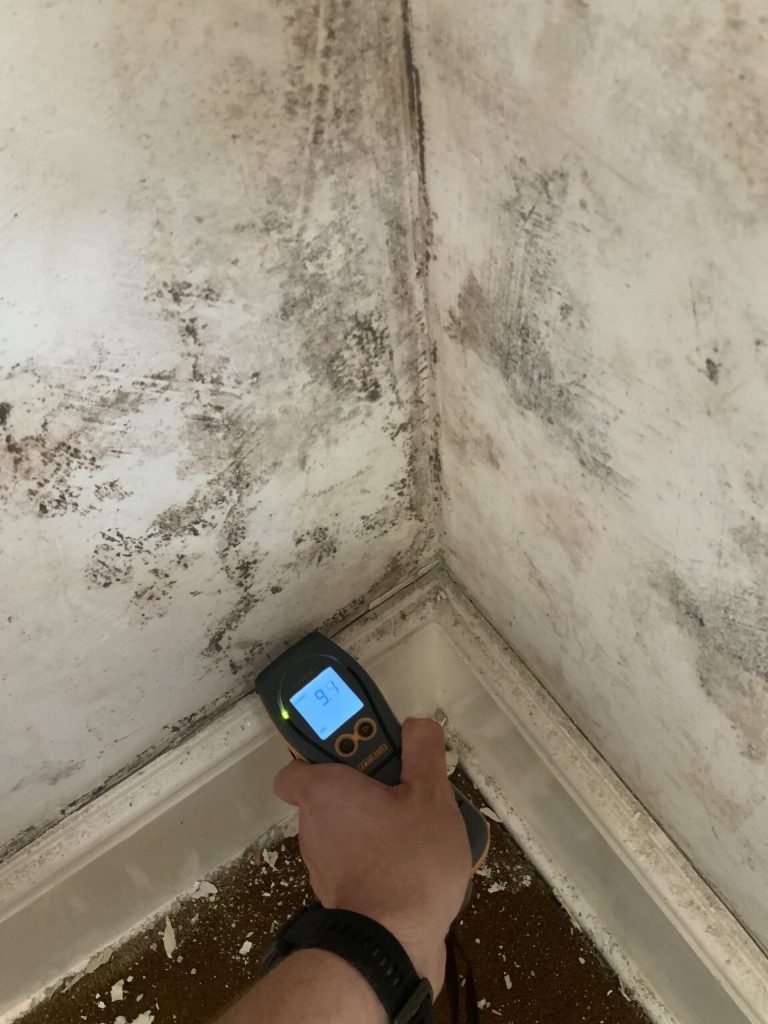
If you are researching the cost of a damp proof course in a 3 bed semi, you are likely dealing with suspected rising damp or responding to a survey report that has highlighted moisture at low level.
Before discussing figures, it is important to be clear about one point. Not every damp problem requires a new damp proof course. Misdiagnosis is common, and installing a DPC where it is not needed can lead to unnecessary expense.
This guide explains what typically influences the cost in a three-bedroom semi-detached house, realistic 2026 price ranges, and what should be assessed before any work is carried out.
What Is a Damp Proof Course?
A damp proof course, often referred to as a DPC, is a barrier installed within a wall to prevent ground moisture from travelling upward through masonry.
In older properties, the original DPC may have deteriorated or become bridged. In some cases, earlier buildings did not have one installed to modern standards.
Where genuine rising damp is confirmed, a chemical damp proof course can be introduced into the mortar bed to form a new moisture barrier.
However, symptoms such as peeling paint, mould or staining are not always caused by rising damp. Condensation and penetrating damp can produce similar signs. Proper investigation is essential before discussing installation costs.
You can read more about our approach to treatment on ourdamp proofing services page.
Average Cost of a Damp Proof Course in a 3 Bed Semi
We price damp proofing by the area of wall treated, at £250 to £350 per m², which includes removing the damaged plaster, the injected DPC, floor wall joint treatment and replastering. In 2026, a typical 3 bedroom semi-detached house with around 20 m² of affected ground floor wall generally falls between:
£5,000 and £7,000
This is a broad guide only. The actual cost depends on:
- The extent of affected walls
- Whether internal plaster needs replacing
- Access and preparation requirements
- Any additional timber or repair works
It is important to treat headline figures online with caution. Pricing varies significantly depending on the specific property.
What Influences the Cost?
A three-bedroom semi can vary widely in layout and wall construction. The following factors commonly affect overall cost.
1. Length of Walls Requiring Treatment
A semi-detached house may include:
- Front and rear elevations
- One full side wall
- Internal load-bearing walls
If rising damp affects multiple elevations, more linear metres of wall will require injection and associated preparation, increasing labour and material costs.
2. Plaster Removal and Replastering
In most confirmed rising damp cases, salt-contaminated plaster must be removed to an appropriate height.
New plaster systems are then installed to prevent residual salts drawing moisture to the surface.
Replastering can represent a significant proportion of the total project cost, sometimes equal to or exceeding the DPC installation itself.
3. Ground Levels and Bridging Issues
Raised external ground levels, new driveways or internal floor build-ups can bridge an existing damp proof course.
If bridging is present, it must be addressed before or alongside DPC installation. That may involve:
- Lowering external ground levels
- Removing internal bridging plaster
- Adjusting thresholds
These preparation works can influence total cost.
4. Access and Property Layout
Fitted kitchens, built-in wardrobes or flooring removal can increase labour time.
Restricted access behind units or limited working space can extend installation time and affect pricing.
5. Timber Repairs
Prolonged rising damp can affect skirting boards and, in more advanced cases, timber joist ends.
Where decay is identified, additional repair or timber treatment may be required. This is assessed on a case-by-case basis.
Does Every 3 Bed Semi with Damp Need a New DPC?
No.
One of the most common misunderstandings around the cost of a damp proof course in a 3 bed semi is assuming damp automatically means DPC failure.
In practice, many properties experience:
- Condensation-related moisture
- Penetrating damp from external defects
- Bridged but otherwise intact DPCs
Installing a new damp proof course where the issue is condensation will not resolve the problem.
A professional damp survey should confirm the true source of moisture before cost discussions move forward.
Is a Chemical Damp Proof Course Effective?
When correctly specified and installed following proper diagnosis, a chemical damp proof course can provide an effective barrier against rising damp.
However, effectiveness depends on:
- Accurate identification of genuine rising damp
- Correct injection into the mortar bed
- Suitable replastering
- Addressing bridging issues
No treatment works in isolation. The surrounding building conditions must support it.
How Long Does Installation Take?
For a typical three-bedroom semi, DPC installation alone often takes one to two days, depending on wall length and accessibility.
Replastering works extend the timeline. Walls require appropriate drying time before final decoration.
Disruption should be expected during plaster removal, although most homeowners remain in the property during the works.
Can Insurance Cover Damp Proof Course Costs?
In most cases, rising damp is considered a maintenance issue and is not covered by standard home insurance policies.
However, if damp arises from an insured event, such as storm damage leading to penetrating damp, policy terms may differ.
Always check with your insurer for clarity.
Is It Worth the Investment?
If rising damp is properly confirmed and the existing damp proof course has failed or cannot be remedied through bridging correction alone, installation is often appropriate.
Where damp is misdiagnosed, however, unnecessary installation can be costly and disruptive.
Understanding the cause protects your budget.
Getting an Accurate Quote for a 3 Bed Semi
Online research provides useful guidance, but accurate pricing requires inspection.
A professional assessment considers:
- Property age and construction
- Extent of affected walls
- Moisture distribution patterns
- Condition of plaster
- External factors
Once assessed, you should receive a clear breakdown of recommended works and associated costs.
If you would like to discuss concerns about rising damp or potential damp proof course installation, you can contact us here.
Frequently Asked Questions
What is the typical cost of a damp proof course in a 3 bed semi?
In 2026, a 3 bed semi with around 20 m² of affected ground floor wall typically falls between £5,000 and £7,000, at our rate of £250 to £350 per m² including replastering. Where only one or two walls are affected the cost is much lower.
Why is there such a wide price range?
Costs depend on the amount of wall affected, preparation required, plaster replacement and any additional repairs.
Can I avoid replastering?
In most confirmed rising damp cases, contaminated plaster must be removed to prevent salts from reappearing.
Will a new damp proof course solve all damp problems?
No. It specifically addresses rising damp. Condensation and penetrating damp require different solutions.
Conclusion
The cost of a damp proof course in a 3 bed semi depends entirely on the property and the confirmed cause of moisture.
While typical 2026 figures for a fully affected ground floor fall between £5,000 and £7,000, accurate diagnosis remains the most important step. Installing a new DPC without confirming rising damp can lead to unnecessary expense.
Understanding what is required, and why, ensures proportionate treatment and informed budgeting.